
Hemp has been gaining popularity in recent years for its wide array of health benefits, nutritional value, and versatility in both culinary and wellness applications. Two of the most popular products derived from hemp are hemp seeds and hemp seed oil. While these two products come from the same plant, they have distinct characteristics, nutritional profiles, and uses. In this blog post, we’ll explore the differences between hemp seeds and hemp seed oil, including how they are made, their health benefits, and their various applications.
What Are Hemp Seeds?
Hemp seeds are the edible seeds of the hemp plant (Cannabis sativa). Unlike other parts of the cannabis plant, hemp seeds contain very low levels of THC (tetrahydrocannabinol), the psychoactive compound responsible for the “high” in marijuana. As a result, hemp seeds are legal in many parts of the world and are widely used in health and wellness industries due to their nutritional benefits.
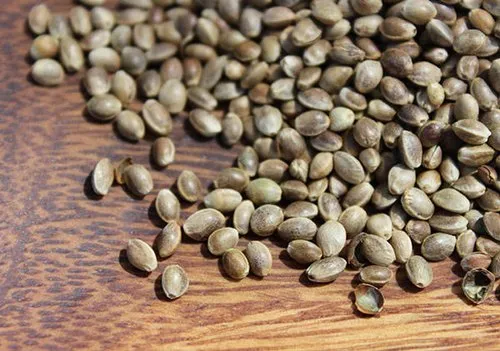
Nutritional Profile of Hemp Seeds
Hemp seeds are a nutrient powerhouse, containing a rich blend of essential fatty acids, proteins, and minerals. Here are some of the key nutrients found in hemp seeds:
- Essential Fatty Acids: Hemp seeds are one of the best plant-based sources of omega-3 and omega-6 fatty acids, particularly in the ideal 3:1 ratio for human health.
- Protein: About 25% of the total calories in hemp seeds come from high-quality protein, making them a great option for vegetarians and vegans. Hemp seeds contain all nine essential amino acids, which makes them a complete protein source.
- Fiber: Whole hemp seeds are an excellent source of fiber, which is beneficial for digestion and gut health.
- Vitamins and Minerals: Hemp seeds are rich in vitamins like vitamin E, as well as minerals such as magnesium, phosphorus, and potassium.
Health Benefits of Hemp Seeds
The health benefits of hemp seeds are vast due to their rich nutrient profile. Some of the key health benefits include:
- Heart Health: The balance of omega-3 and omega-6 fatty acids helps support cardiovascular health, lowering cholesterol levels, and reducing inflammation.
- Digestive Health: The high fiber content of hemp seeds aids digestion and promotes regular bowel movements.
- Skin Health: The essential fatty acids found in hemp seeds are known to improve skin conditions like eczema and dry skin by supporting hydration and reducing inflammation.
- Protein Boost: For those looking for plant-based protein, hemp seeds are an excellent choice, providing a complete protein profile that aids in muscle repair and maintenance.
What Is Hemp Seed Oil?
Hemp seed oil is extracted from hemp seeds through a cold-pressing process. This oil is highly versatile and is used in both culinary applications and skincare products. However, it’s important to note that hemp seed oil is different from CBD oil, which is extracted from the flowers and leaves of the hemp plant.
Nutritional Profile of Hemp Seed Oil
Hemp seed oil is primarily composed of healthy fats and contains minimal protein or fiber, unlike whole hemp seeds. Here’s a closer look at its nutritional composition:
- Essential Fatty Acids: Hemp seed oil is an excellent source of omega-3 and omega-6 fatty acids, similar to hemp seeds.
- Vitamin E: Hemp seed oil is rich in vitamin E, which is a powerful antioxidant that helps protect cells from oxidative damage.
- Phytosterols: These compounds found in hemp seed oil help lower cholesterol levels by blocking its absorption in the intestines.
Health Benefits of Hemp Seed Oil
While hemp seed oil lacks the protein and fiber found in hemp seeds, it offers unique health benefits, particularly in areas of skin care and heart health. Some of the notable benefits include:
- Improved Skin Health: Hemp seed oil is widely used in skincare products due to its ability to moisturize the skin without clogging pores. It’s also effective in treating skin conditions like eczema, psoriasis, and acne.
- Heart Health: The omega-3 and omega-6 fatty acids in hemp seed oil contribute to heart health by reducing inflammation, supporting healthy cholesterol levels, and improving blood pressure.
- Anti-Inflammatory Properties: The fatty acids in hemp seed oil help reduce inflammation, which can be beneficial for conditions like arthritis and inflammatory skin conditions.
- Hormonal Balance: Hemp seed oil contains gamma-linolenic acid (GLA), which has been shown to regulate hormonal imbalances and alleviate symptoms associated with PMS and menopause.
Key Differences Between Hemp Seeds and Hemp Seed Oil
While hemp seeds and hemp seed oil come from the same plant, they have key differences that make each product unique. Let’s break down these differences:
1. Processing Methods
- Hemp Seeds: Consumed in their whole form, hemp seeds are often de-hulled (shelled) and can be eaten raw or roasted. They can also be ground into powder or added to various recipes.
- Hemp Seed Oil: Hemp seed oil is obtained through the cold-pressing of hemp seeds. The oil is then bottled for culinary use or incorporated into skincare products.
2. Nutritional Content
- Hemp Seeds: These are rich in protein, fiber, essential fatty acids, and various vitamins and minerals, making them a complete food source.
- Hemp Seed Oil: While it lacks the fiber and protein found in whole seeds, hemp seed oil is rich in healthy fats, particularly omega-3 and omega-6 fatty acids, along with vitamin E.
3. Uses
- Hemp Seeds: Versatile and easy to incorporate into meals, hemp seeds can be added to smoothies, salads, yogurt, and baked goods. They are also used as a plant-based protein source for vegetarians and vegans.
- Hemp Seed Oil: Primarily used as a dietary supplement and in skin care, hemp seed oil is added to dressings, dips, and smoothies. It is also a popular ingredient in lotions, creams, and serums for its moisturizing and anti-inflammatory properties.
4. Health Benefits
- Hemp Seeds: Offer a broader range of nutritional benefits, including protein, fiber, and essential fatty acids that support digestion, heart health, and overall wellness.
- Hemp Seed Oil: Focuses more on skin health and heart health, with a high concentration of fatty acids that nourish the skin and reduce inflammation.
Which Should You Choose?
The decision between hemp seeds and hemp seed oil depends largely on your specific health goals and how you plan to use the product. Here are some pointers to help guide your choice:
- For a Nutritional Boost: If you’re looking to add more protein, fiber, and essential fatty acids to your diet, hemp seeds are the better choice. They’re easy to incorporate into meals and offer a complete range of nutrients.
- For Skin Health: If your focus is on improving skin health or finding a natural moisturizer, hemp seed oil is ideal. Its nourishing and anti-inflammatory properties make it a valuable addition to any skincare routine.
- For Heart Health: Both hemp seeds and hemp seed oil offer heart-healthy fats, but if you prefer adding oil to your diet, hemp seed oil is a great option for salad dressings or smoothies.
Conclusion
While hemp seeds and hemp seed oil come from the same plant, they serve different purposes and offer unique benefits. Hemp seeds are a nutrient-dense food that provides protein, fiber, and essential fatty acids, making them a valuable addition to any diet. On the other hand, hemp seed oil is prized for its ability to nourish the skin and support heart health. Understanding the differences between these two products can help you make informed decisions about which one best suits your dietary and wellness needs. Whether you choose hemp seeds, hemp seed oil, or both, incorporating hemp into your lifestyle is a great way to boost overall health and well-being.