
Introduction
Hemp seeds have become a modern superfood, winning over health-conscious families for their versatility, mild flavor, and impressive nutrient profile. But when it comes to giving them to kids, many parents pause—understandably so. With the word hemp often associated with cannabis, it’s natural to wonder whether these tiny seeds are safe for little ones.
The good news? Hemp seeds are completely non-psychoactive and packed with nutrients that can genuinely support a child’s growth and development. Still, like any food, there are a few things to keep in mind before adding them to your child’s meals.
Let’s break down the benefits, safety facts, and smart precautions so you can decide confidently.
What Exactly Are Hemp Seeds?
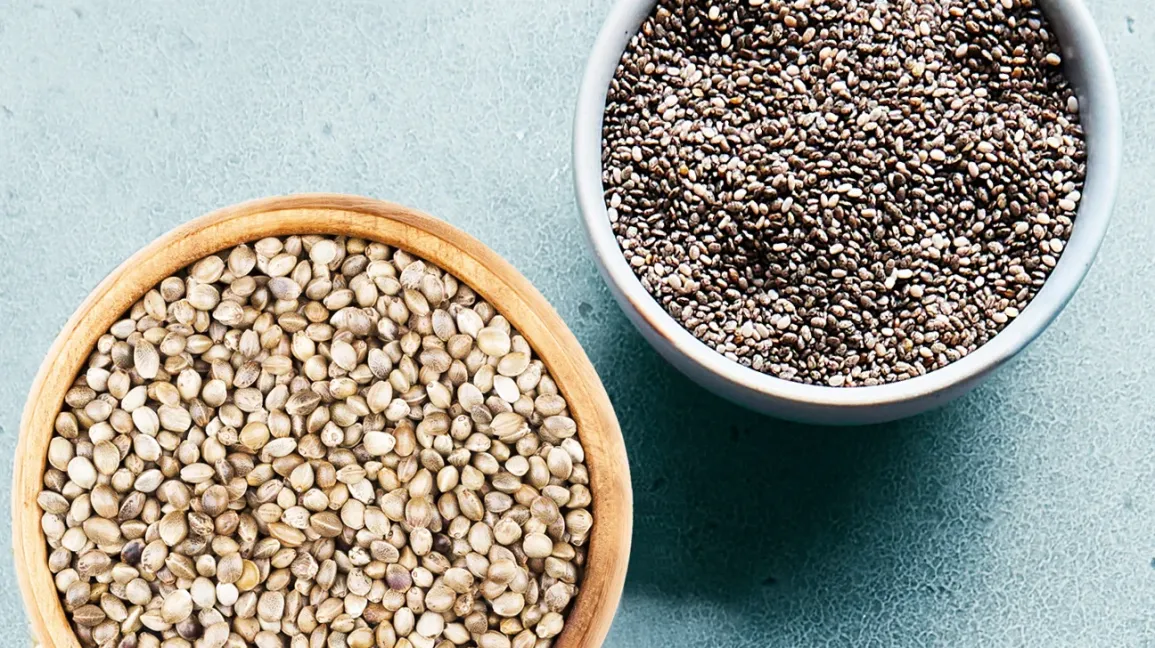
Hemp seeds come from the hemp plant, a variety of Cannabis sativa that contains no THC, the compound responsible for psychoactive effects. The seeds themselves don’t contain cannabinoids, and they’re not processed into anything intoxicating.
Think of them like chia or flax seeds—simple, nutritious, plant-based seeds with a rich nutrient profile.
So yes, this makes hemp seeds safe for children when bought from reputable food brands.
Nutritional Benefits of Hemp Seeds for Kids
These tiny seeds are surprisingly powerful, making them a great addition to a child’s diet—especially if they’re picky eaters or follow a vegetarian diet.
1. A Rich Source of Plant-Based Protein
Hemp seeds contain all nine essential amino acids, making them one of the best plant-based complete proteins. For kids, this means better muscle growth, tissue repair, and consistent energy levels.
2. Healthy Fats for Brain Development
They’re naturally high in omega-3 and omega-6 fatty acids, which support:
- Brain growth
- Concentration
- Healthy nervous system development
- Clear skin
The balanced fatty acid ratio is especially beneficial during the early years of rapid brain development.
3. Packed With Vitamins and Minerals
A handful of hemp seeds can provide:
- Magnesium
- Iron
- Zinc
- Vitamin E
- B vitamins
These nutrients help support immunity, bone strength, and metabolism—areas where growing children often need extra support.
4. Gentle on Digestion
Hemp seeds contain both soluble and insoluble fiber, helping:
- Prevent constipation
- Support gut health
- Keep digestion smooth
For kids with sensitive tummies, hemp seeds are much easier to digest than nuts.
5. Great for Kids With Allergies
Many parents turn to hemp seeds as an alternative because they are:
- Gluten-free
- Nut-free
- Dairy-free
- Soy-free
This makes them a safe choice for children with common food allergies.
How to Add Hemp Seeds to Kids’ Meals
Their subtle, nutty flavor blends into almost any dish without overpowering it. Here are some easy ideas:
- Sprinkle over oatmeal, yogurt, or fruit bowls
- Mix into smoothies
- Stir into pancake, muffin, or cookie batter
- Add to soups, stir-fries, or pasta sauces
- Blend into nut-free pesto or dips
- Mix with breadcrumbs for a nutrient-rich coating
Even one tablespoon a day can make a meaningful difference.
Are Hemp Seeds Safe for Kids? The Short Answer: Yes
But—like everything nutrition-related—there are details to consider.
Hemp seeds are safe as long as they are plain, food-grade, and free from additives. They do not have THC, and they don’t interfere with a child’s mental development. In fact, they support it through healthy fats and protein.
However, moderation and careful introduction matter, especially for younger children.
Precautions Parents Should Keep in Mind
1. Check for Allergic Reactions
Although rare, any new food can trigger an allergy. Start with a small amount and watch for symptoms such as:
- Rash
- Stomach pain
- Itching around the mouth
- Swelling
If your child has multiple food allergies, talk to a pediatrician before introducing hemp seeds.
2. Mind the Portion Size
Hemp seeds are nutrient-dense, but too much can overwhelm a small stomach. Start with:
- ½ teaspoon for toddlers
- 1 teaspoon for kids under 6
- 1 tablespoon for older children
Gradually increase based on tolerance and nutritional needs.
3. Choose the Right Type
Stick to:
- Shelled hemp hearts for younger kids—they’re softer and easier to chew
- Organic, food-grade seeds from trusted brands
Avoid flavored or roasted varieties with added salt or sugar.
4. Store Them Properly
Hemp seeds can spoil due to their healthy fats. Keep them:
- Refrigerated after opening
- Sealed tightly
- Away from heat and sunlight
Freshness affects both safety and taste.
5. Avoid Hemp Protein Powders for Toddlers
Protein powders are usually too concentrated for younger children and may include added ingredients unsuitable for kids.
When Should Parents Avoid Hemp Seeds?
While generally safe, skip hemp seeds if:
- Your child has a confirmed seed allergy
- Your pediatrician advises against it for medical reasons
- Your child is under one year old (similar to introducing nuts and seeds, whole seeds can pose a choking risk unless finely ground)
For most kids older than one year, hemp seeds are a healthy, safe choice when used appropriately.
Also Read: How to Add Hemp Seeds to Your Daily Diet for Maximum Nutrition
Final Thoughts
Hemp seeds are one of those rare foods that check all the boxes—nutritious, allergy-friendly, eco-friendly, and easy to incorporate into meals. And yes, they’re safe for children when introduced mindfully.
From boosting brain development to supporting healthy growth and digestion, hemp seeds offer benefits that fit beautifully into a child’s daily diet. With just a little caution and smart use, these tiny seeds can play a big role in family nutrition.