
Protein is one of the essential nutrients your body needs to build and repair tissues, support muscle growth, produce enzymes and hormones, and maintain overall health. While many people associate protein with animal-based foods, plant-based protein sources have gained significant attention in recent years. Among them, hemp seeds have earned a reputation as one of the most nutrient-dense and versatile options available.
Small but packed with nutrition, hemp seeds provide high-quality plant protein along with healthy fats, fiber, vitamins, and minerals. Whether you’re following a vegan diet, looking to diversify your protein sources, or simply interested in healthier eating habits, hemp seeds can be a valuable addition to your meals.
In this article, we’ll explore the protein content of hemp seeds, why it’s unique, how it compares to other plant-based foods, and practical ways to include hemp seeds in your daily diet.
What Are Hemp Seeds?
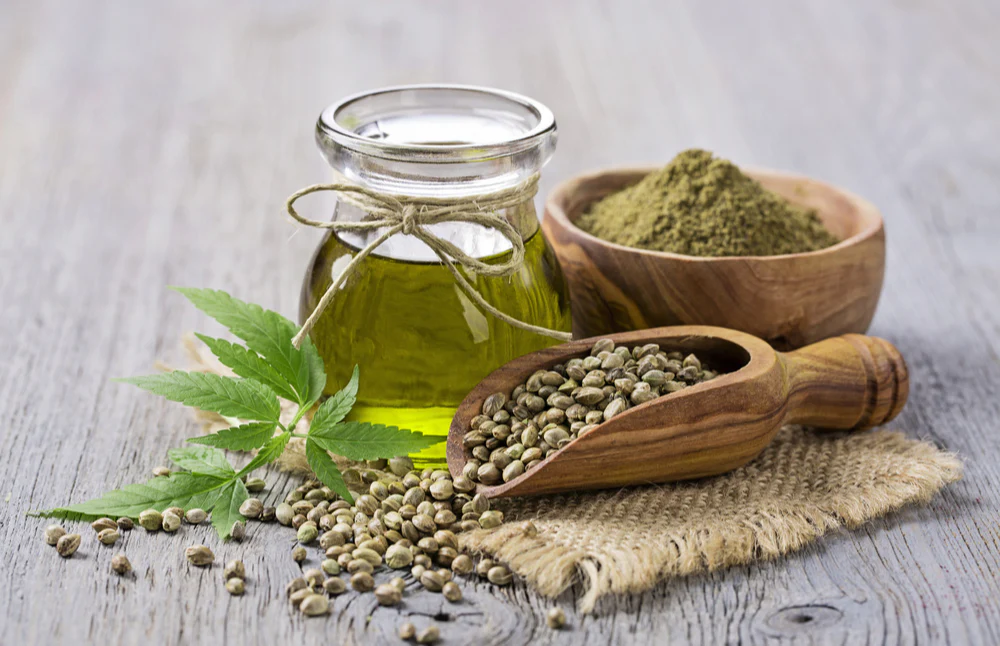
Hemp seeds are the edible seeds of the hemp plant (Cannabis sativa). Although they come from the same species as marijuana, hemp seeds contain only trace amounts of THC and do not produce intoxicating effects.
These soft, nutty-flavored seeds are commonly sold as:
- Whole hemp seeds
- Shelled hemp hearts
- Hemp seed oil
- Hemp protein powder
Shelled hemp hearts are the most popular option because they have a mild taste and are easy to add to a variety of foods.
Why Protein Is Important
Protein plays a central role in nearly every function of the body.
It helps:
- Build and repair muscles
- Support healthy bones
- Produce enzymes and hormones
- Maintain healthy skin and hair
- Support immune function
- Promote satiety after meals
Because the body cannot store protein in the same way it stores fats or carbohydrates, regular dietary intake is important.
How Much Protein Do Hemp Seeds Contain?
Hemp seeds are considered one of the richest plant-based sources of protein.
A typical serving of 3 tablespoons (about 30 grams) of shelled hemp seeds provides approximately:
- 9–10 grams of protein
- Healthy unsaturated fats
- Dietary fiber (more in whole seeds)
- Essential minerals such as magnesium, phosphorus, iron, and zinc
This makes hemp seeds an excellent way to boost the protein content of meals without adding significant amounts of sugar or processed ingredients.
What Makes Hemp Seed Protein Unique?
Not all plant proteins are the same.
Hemp seed protein stands out because it is considered a complete protein, meaning it contains all nine essential amino acids that the body cannot produce on its own.
These essential amino acids are required for:
- Muscle maintenance
- Tissue repair
- Enzyme production
- Hormone synthesis
- Normal growth and development
While some plant foods are low in one or more essential amino acids, hemp seeds offer a balanced amino acid profile, making them a valuable protein source.
Highly Digestible Protein
Another advantage of hemp protein is its digestibility.
The two primary proteins found in hemp seeds are:
- Edestin
- Albumin
These proteins are relatively easy for the body to digest and utilize.
Good digestibility means your body can efficiently absorb the amino acids needed for normal bodily functions.
More Than Just Protein
Although protein is one of hemp seeds’ biggest selling points, they offer many additional nutrients.
Healthy Fats
Hemp seeds are naturally rich in unsaturated fats, including omega-3 and omega-6 fatty acids.
These fats support:
- Heart health
- Brain function
- Cell structure
- Overall wellness
Fiber
Whole hemp seeds contain dietary fiber that supports digestive health and helps promote feelings of fullness.
Shelled hemp hearts contain less fiber because the outer shell has been removed.
Vitamins and Minerals
Hemp seeds provide important nutrients, including:
- Magnesium
- Iron
- Zinc
- Phosphorus
- Potassium
- Manganese
These nutrients contribute to numerous bodily functions, including energy production, bone health, and immune support.
Hemp Seeds vs. Other Plant-Based Protein Sources
Hemp seeds compare favorably with many other popular plant proteins.
Hemp Seeds
- Complete protein
- Rich in healthy fats
- Mild, nutty flavor
- Easy to sprinkle onto foods
Chia Seeds
- Good protein source
- High in fiber
- Excellent source of omega-3 fatty acids
Flaxseeds
- Rich in healthy fats
- Good fiber content
- Lower protein than hemp seeds
Pumpkin Seeds
- High protein content
- Rich in minerals
- Popular snack option
Quinoa
- Complete protein grain
- Good source of carbohydrates
- Higher calorie serving compared to hemp seeds
Each food offers unique nutritional benefits, and combining different plant-based proteins creates a well-rounded diet.
Who Can Benefit From Hemp Seed Protein?
Hemp seeds are suitable for many different lifestyles.
Vegetarians and Vegans
Plant-based eaters often seek complete protein sources.
Hemp seeds help diversify protein intake while supplying beneficial nutrients.
Athletes
Active individuals require protein for muscle repair and recovery.
Hemp seeds make an easy addition to post-workout meals and snacks.
Older Adults
Adequate protein intake supports muscle maintenance and healthy aging.
Adding hemp seeds to meals offers a convenient nutritional boost.
Busy Professionals
For people with hectic schedules, hemp seeds provide a quick way to increase protein without extensive meal preparation.
Easy Ways to Add Hemp Seeds to Your Diet
One reason hemp seeds are so popular is their versatility.
You can add them to:
- Smoothies
- Yogurt
- Oatmeal
- Breakfast bowls
- Salads
- Soups
- Stir-fries
- Pasta dishes
- Homemade energy bites
- Baked goods
Because of their mild flavor, they blend well into many recipes without overpowering other ingredients.
Tips for Choosing High-Quality Hemp Seeds
Not all hemp seed products are the same.
When shopping, look for:
Fresh Packaging
Choose sealed packages with clear expiration dates.
Organic Options
Some consumers prefer organically grown hemp products.
Minimal Ingredients
Pure hemp seeds should contain only one ingredient: hemp seeds.
Proper Storage
Quality products should recommend storing hemp seeds in a cool, dry place.
After opening, refrigeration can help preserve freshness and protect the healthy fats from oxidation.
How Much Hemp Seed Should You Eat?
There is no universal serving recommendation for everyone.
Many people enjoy 2 to 3 tablespoons per day as part of a balanced diet.
Your ideal amount depends on:
- Overall calorie needs
- Protein requirements
- Activity level
- Individual dietary goals
If you have specific nutritional concerns or medical conditions, consult a registered dietitian or healthcare professional.
Common Myths About Hemp Seed Protein
Myth 1: Hemp Seeds Cause a “High”
False.
Hemp seeds contain only trace amounts of THC and have no intoxicating effects.
Myth 2: Plant Protein Is Always Incomplete
False.
Hemp seeds provide all nine essential amino acids, making them a complete protein source.
Myth 3: Hemp Seeds Are Only for Vegans
False.
Anyone can enjoy hemp seeds as part of a balanced diet, regardless of dietary preference.
Myth 4: More Protein Is Always Better
Not necessarily.
Protein needs vary based on age, activity level, and overall health. A balanced diet that includes a variety of nutrient-rich foods is the best approach.
Also Read: How Hemp Seeds Are Harvested and Processed
Final Thoughts
Hemp seeds are much more than a trendy superfood—they’re a nutrient-dense, complete plant protein that can support a balanced and healthy diet. With approximately 9–10 grams of protein per three-tablespoon serving, along with healthy fats, essential minerals, and beneficial plant compounds, they offer an easy and versatile way to boost your daily nutrition.
Whether you’re following a plant-based lifestyle, supporting an active routine, or simply looking to include more wholesome foods in your meals, hemp seeds are a practical and delicious option. Their mild flavor, impressive nutritional profile, and ease of use make them a valuable addition to everything from smoothies and salads to breakfast bowls and baked goods.
By choosing high-quality hemp seeds and incorporating them into a varied, balanced diet, you can enjoy a natural source of protein that supports overall wellness while adding texture and nutrition to your favorite meals.