
Introduction to Indoor Hemp Seed Planting
Welcome to our comprehensive guide on planting hemp seeds indoors. In this blog, we’ll provide you with a step-by-step walkthrough on how to successfully grow hemp plants right in the comfort of your own home. Whether you’re a seasoned gardener or a beginner looking to explore the world of indoor gardening, this guide is tailored just for you.
Understanding Hemp Seeds
Before we delve into the planting process, let’s take a moment to understand what hemp seeds are and why they’re worth growing. Hemp seeds, derived from the hemp plant (Cannabis sativa), are small but mighty powerhouses packed with nutrients. Unlike its cousin marijuana, hemp contains minimal levels of THC, the psychoactive compound, making it perfectly legal to grow in many regions, including Canada.
Benefits of Indoor Hemp Cultivation
Why should you consider growing hemp indoors? There are several advantages to indoor cultivation, especially for Canadian growers. Firstly, indoor growing allows for greater control over environmental factors such as temperature, humidity, and light exposure, which is particularly beneficial in Canada’s varied climate. Additionally, indoor cultivation offers privacy and discretion, making it an attractive option for urban dwellers.
Setting Up Your Indoor Hemp Garden
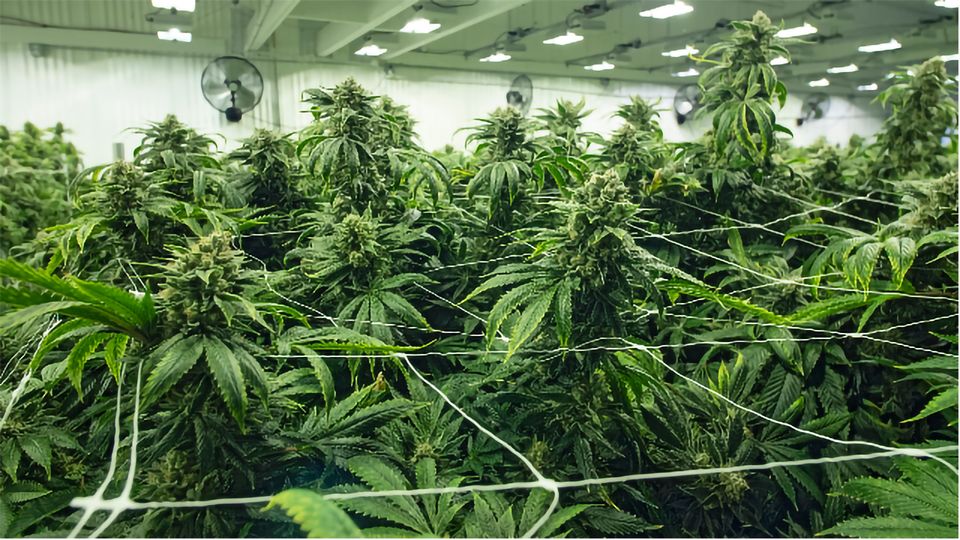
Now that you understand the basics let’s dive into setting up your indoor hemp garden. The first step is to select a suitable location for your plants. Choose an area that receives ample natural light or invest in grow lights to provide your hemp plants with the light they need to thrive. Ensure the space is well-ventilated and free from drafts that could stress the plants.
Selecting High-Quality Hemp Seeds
The success of your indoor hemp garden starts with selecting the right seeds. Look for reputable Canadian suppliers that offer high-quality, certified organic hemp seeds. Opt for seeds with a high germination rate to increase your chances of success. Consider factors such as the strain, desired yield, and intended use of your hemp plants when choosing your seeds.
Germinating Your Hemp Seeds
Once you’ve obtained your seeds, it’s time to kickstart the growing process through germination. Begin by soaking your hemp seeds in water for 24 hours to soften the outer shell and promote germination. After soaking, transfer the seeds to a damp paper towel and place them in a warm, dark location to encourage sprouting. Check the seeds daily and keep the paper towel moist until you see tiny sprouts emerging.
Transplanting and Caring for Your Seedlings
With your hemp seeds successfully germinated, it’s time to transplant them into their growing containers. Choose pots or trays with ample drainage holes to prevent waterlogging and fill them with a well-draining potting mix. Carefully transfer the seedlings into the soil, ensuring the roots are spread out evenly. Water the seedlings gently and place them in a sunny location or under grow lights to promote healthy growth.
Providing Proper Care
Proper care is essential for the successful cultivation of your indoor hemp plants. Monitor soil moisture levels and water the plants regularly, ensuring the soil remains moist but not waterlogged. Invest in a humidifier to maintain optimal humidity levels, especially during dry winter months. Additionally, fertilize your hemp plants with a balanced organic fertilizer to provide essential nutrients for robust growth and development.
Monitoring Growth and Troubleshooting
As your hemp plants continue to grow, it’s essential to monitor their progress and address any issues that may arise along the way. Keep a close eye on the health of your plants, observing their growth patterns, leaf color, and overall vitality. If you notice any signs of stress or nutrient deficiencies, take prompt action to rectify the situation.
Pest and Disease Management
One common challenge faced by indoor growers is the presence of pests and diseases that can affect plant health. Keep your indoor hemp garden clean and free from debris to minimize the risk of pest infestations. Regularly inspect your plants for signs of pests such as aphids, spider mites, or fungal infections, and treat any infestations promptly using organic pest control methods.
Pruning and Training Your Hemp Plants
Pruning and training your hemp plants can help promote optimal growth and maximize yields. Remove any yellowing or damaged leaves to encourage healthy foliage growth and improve air circulation around the plants. Additionally, consider training techniques such as low-stress training (LST) or topping to control plant height and encourage lateral branching, leading to increased bud development.
Harvesting and Drying Your Hemp Plants
After weeks of diligent care and nurturing, your indoor hemp plants will be ready for harvest. Harvesting timing is crucial for maximizing cannabinoid content and overall quality. Monitor the development of flowers and trichomes, and harvest when the majority of trichomes have turned cloudy or amber in color. Carefully cut the stems and hang them upside down in a well-ventilated area to dry slowly and evenly.
Processing and Storage
Once dried, it’s time to process your harvested hemp plants for storage and use. Remove the buds from the stems and trim away any excess leaves to improve overall bud appearance and quality. Store your dried hemp buds in airtight containers, such as glass jars, in a cool, dark place to preserve freshness and potency. Properly stored hemp can maintain its quality for several months or even years.
Exploring Hemp Cultivation Beyond
Now that you’ve successfully grown hemp indoors, consider expanding your cultivation efforts or exploring new varieties and techniques. Experiment with different hemp strains to discover unique flavors and effects, or venture into outdoor cultivation if space permits. Join online forums or local gardening groups to connect with fellow growers and exchange tips, tricks, and experiences.
Read Also : Unlocking the Power of Hemp Seeds: Benefits, Uses, and Beyond
Conclusion
Congratulations! You’ve now learned how to plant hemp seeds indoors step by step. With the knowledge and guidance provided in this guide, you’re well-equipped to embark on your indoor hemp growing journey. Remember to continue monitoring and caring for your plants as they grow, and don’t hesitate to reach out to fellow growers or online communities for support and advice. Happy planting!