
Congratulations! You’ve taken the exciting step of acquiring cannabis seeds. These tiny capsules hold the potential for a thriving cannabis garden, but before you envision bountiful harvests, it’s crucial to understand how to protect your seeds from potential threats. Just like any living organism, cannabis seeds are susceptible to pests, diseases, and improper storage conditions. This three-part blog series will equip you with the knowledge to ensure your seeds remain healthy and viable, ready to sprout into strong cannabis plants.
The Threats
- Pests: Tiny insects like fungus gnats, thrips, and whiteflies can feast on seeds, hindering germination or damaging seedlings.
- Diseases: Fungal diseases like damping-off can quickly spread in moist environments, causing seeds to rot before they even sprout.
- Improper Storage: Extreme temperatures, humidity fluctuations, and light exposure can all reduce seed viability.
Creating a Fortress for Your Seeds
- Seed Selection: Choose seeds from reputable sources that prioritize quality and disease resistance.
- Pre-Seeding Sanitation: Clean and disinfect the area where you’ll be handling your seeds. Wash your hands thoroughly and consider wearing gloves for additional protection.
- Storage Essentials: Invest in airtight containers made from glass or non-leaching plastic. These containers will shield your seeds from light and moisture fluctuations.
The Art of Seed Storage
- Temperature is Key: The ideal temperature for storing cannabis seeds falls between 4°C (39°F) and 10°C (50°F). This cool, stable environment promotes seed dormancy, keeping them viable for longer. Warmer temperatures can accelerate seed degradation.
- Humidity Matters: Aim for a relative humidity level between 25% and 35%. Too much moisture can encourage mold and fungal growth, while a dry environment can dehydrate seeds.
- Darkness is Best: Light exposure, particularly sunlight, can damage seeds over time. Opt for opaque containers and store them in a cool, dark location like a refrigerator or basement.
Bonus Tip: For long-term storage (over 6 months), consider vacuum sealing your seeds with a desiccant pack (a moisture-absorbing material) within the airtight container. This extra step provides an additional barrier against moisture and oxygen exposure.
Stay tuned for Part 2, where we’ll delve deeper into identifying and preventing common pests and diseases that threaten cannabis seeds. We’ll also explore some natural and organic methods for dealing with these threats, ensuring your seeds remain healthy and ready to sprout into thriving cannabis plants!
Read- The Ultimate Guide to Planting Hemp Seeds Indoors Step-by-Step Instructions
Common Threats to Seed Health
Let’s equip you to identify common enemies of cannabis seeds and explore strategies to keep them at bay.
1. Fungus Gnats
These small, flying insects are attracted to moist environments and decaying organic matter. They can lay eggs in or near seeds, and the hatching larvae can feed on germinating seeds or young seedlings.
- Prevention: Maintain good hygiene around your seeds. Avoid overwatering the germination medium, and consider using mosquito dunks (a natural larvicide) in standing water sources.
- Treatment: Sticky traps can help monitor and control fungus gnat populations. Alternatively, neem oil spray (a natural pesticide) can be used on seedlings (not directly on seeds).
2. Thrips
These slender, sap-sucking insects can damage seeds and emerging seedlings by feeding on their tissues. This weakens the plant and can hinder growth.
- Prevention: Inspect your seeds closely before planting for any signs of thrips. Quarantine new plants to prevent them from introducing thrips to your seed storage area.
- Treatment: Insecticidal soap sprays can be effective against thrips on young seedlings (not directly on seeds). Introduce predatory mites as a natural control method.
3. Whiteflies
These tiny, white, winged insects feed on plant sap and can transmit diseases. While they are less likely to directly attack seeds, they can pose a threat to seedlings.
- Prevention: Maintain good air circulation around your seeds and seedlings. Sticky traps can help monitor whitefly populations.
- Treatment: Neem oil spray can be used on seedlings (not directly on seeds) to control whitefly populations. Introduce ladybugs as a natural control method.
4. Fungal Diseases
This fungal disease thrives in moist environments and can quickly spread, causing seeds to rot before germination or killing young seedlings.
- Prevention: Sterilize your germination medium before planting. Avoid overwatering, and ensure proper air circulation around your seeds.
- Treatment: Once damping-off occurs, there’s no cure. Isolate infected seeds and seedlings to prevent the disease from spreading.
Natural and Organic Solutions
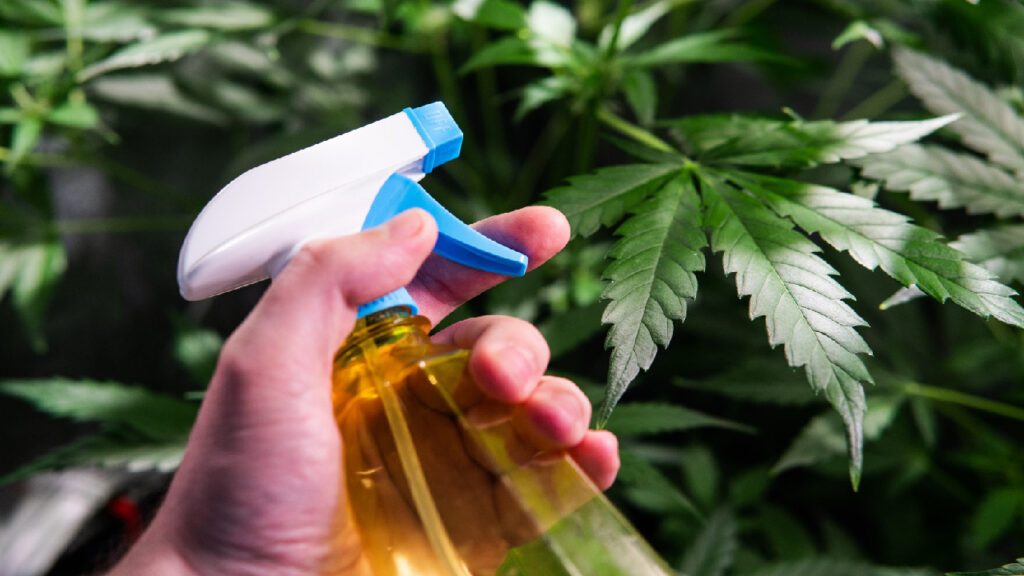
Whenever possible, prioritize natural and organic methods for pest and disease control. These methods are generally safer for your seeds and the environment:
- Neem Oil: This versatile oil extracted from the neem tree has insecticidal, fungicidal, and antifeedant properties, making it effective against a range of pests and diseases. However, avoid using neem oil directly on seeds.
- Insecticidal Soap Sprays: These soaps kill insects on contact by disrupting their cell membranes. Opt for organic, plant-based insecticidal soaps for a safer approach.
- Beneficial Insects: Predatory mites and ladybugs are natural enemies of common garden pests. Introducing these beneficial insects can help control pest populations without the use of harsh chemicals.
Maintaining a Vigilant Eye
Regularly inspect your seeds and seedlings for any signs of pests or diseases. Early detection is crucial for successful intervention. By implementing preventative measures and being prepared to address potential threats, you can significantly increase the chances of your cannabis seeds thriving and developing into healthy plants.
Germination Techniques and Success Strategies
Now, it’s time to celebrate the miracle of germination! Let’s explore different germination techniques and offer tips to maximize the success rate of your precious seeds.
The Art of Waking Up Seeds
Germination is the process by which a dormant seed awakens and begins to grow. There are several effective techniques you can employ to encourage your cannabis seeds to sprout:
- The Paper Towel Method: This simple and popular method involves placing seeds between damp paper towels in a sealed container. Maintain consistent moisture and warmth (around 20-25°C or 68-77°F) for optimal results. Once a taproot emerges from the seed (around 3-5 days), it’s ready for planting.
- The Direct Sowing Method: This method involves planting seeds directly into their final growing medium, like a pot filled with high-quality seed starting mix. Ensure the medium is moist but not soggy. Keep the pot warm and covered with a plastic dome to retain humidity. Germination times may be slightly longer with this method compared to the paper towel method.
- The Rockwool Method: Rockwool cubes offer a sterile and well-aerated medium for seed germination. Soak the rockwool cubes in a pH-balanced nutrient solution, then gently place your seeds on top. Keep the cubes moist and warm, covered with a plastic dome.
Maximizing Sprouting Success
Here are some additional tips to increase the likelihood of your seeds germinating successfully:
- Seed Viability Test: Before investing time and resources, it’s wise to test the viability of your seeds. A simple test involves placing them in a glass of water for 24 hours. Seeds that sink are likely viable, while those that float may be dead or damaged.
- Quality Growing Medium: Use a well-draining, light, and airy seed starting mix to provide optimal growing conditions for your germinating seeds.
- Consistent Moisture: Finding the moisture sweet spot is crucial. Seeds need moisture to initiate germination, but overwatering can lead to rot. Aim for consistently moist but not soggy conditions.
- Warmth is Key: Maintain a warm environment (around 20-25°C or 68-77°F) for optimal germination rates. Consider using a heat mat to provide gentle bottom heat.
- Patience is a Virtue: Germination times can vary depending on the strain and the chosen method. Be patient, and avoid disturbing the seeds or the germination medium during this delicate process.
Witnessing the Magic of Cannabis Seeds
Once your seed successfully germinates, a small white root (taproot) will emerge, followed by a green shoot pushing upwards. This marks the beginning of exciting new life! Carefully transplant the sprouted seed into its final growing medium, following proper planting depth recommendations for your chosen cannabis strain.
The Journey Begins
By following these tips and techniques, you’ve successfully nurtured your cannabis seeds from dormancy to germination. Now, the real adventure begins as you watch your seedlings flourish into healthy plants. Remember to continue providing them with the right balance of light, water, nutrients, and air circulation to ensure optimal growth and development.
Congratulations! You’ve taken a crucial first step towards cultivating your own cannabis plants. With knowledge, dedication, and the right care, your tiny seeds have the potential to transform into a thriving cannabis garden.
Conclusion
Protecting your cannabis seeds from harm and fostering their successful germination is an essential foundation for a thriving cannabis garden. Throughout this blog series, we’ve explored strategies for safeguarding your seeds from pests, diseases, and improper storage conditions. We’ve also delved into different germination techniques and provided tips to maximize your sprouting success.
Remember, cultivating cannabis is a journey filled with learning and discovery. Embrace the process, and don’t be afraid to experiment and find what works best for you and your specific growing environment. There’s a wealth of information available online and from experienced growers, so don’t hesitate to seek out additional resources as you embark on this exciting adventure.
Happy Growing!