
Hemp cultivation has surged in popularity due to its remarkable versatility and minimal environmental footprint, making it a favored choice for sustainable farming in Canada and beyond. This guide delves into the complete process of planting hemp seeds, ensuring you’re well-equipped to start your cultivation journey.
Understanding the Legal Framework for Growing Hemp in Canada
Before you can sow a single seed, understanding the legal requirements surrounding hemp cultivation is crucial. In Canada, growing hemp has been permissible since 1998, but it comes with stringent regulations. Farmers must ensure that the hemp strains planted contain no more than 0.3% THC (the psychoactive component in cannabis) in their leaves and flowers at the blooming phase. Embarking on your hemp farming journey requires obtaining a cultivation license from Health Canada, a crucial step to ensure compliance and prevent legal issues.
Choosing the Right Hemp Seed
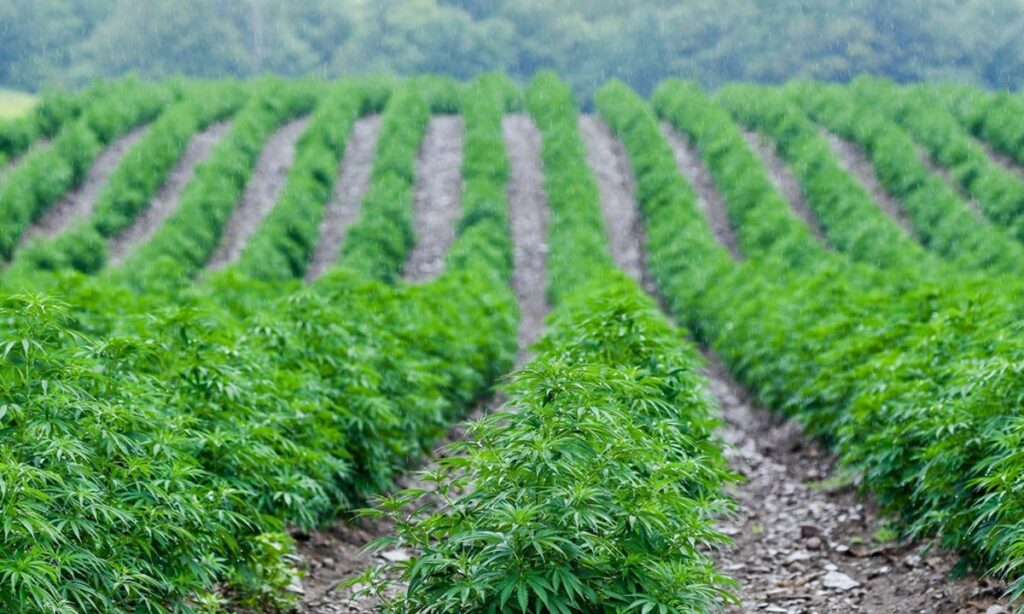
Selecting the appropriate hemp seed variety is one of the most crucial decisions for ensuring a successful hemp cultivation operation. The right choice depends on several factors, including the intended use of the crop, the local climate and soil conditions, and the specific market demands. Here’s a detailed look at how to choose the right hemp seed for your farming needs.
Understanding Hemp Varieties
Hemp can be grown for several purposes, primarily categorized into three types: fiber, seeds (or grains), and cannabinoids like CBD. Each category has varieties that have been specifically bred to enhance certain characteristics:
- Fiber Varieties: These are typically tall, thin plants bred to maximize the yield and quality of the fibrous stalks. They are ideal for use in textiles, construction materials, and bio-composites.
- Seed Varieties: These are bred to maximize seed production, which are used for human consumption, animal feed, and oil production. Seed varieties often feature shorter plants with denser branching to support heavy seed production.
- Cannabinoid Varieties: These are optimized for high cannabinoid content, particularly CBD, and are less fibrous with more focus on flower production.
Factors to Consider When Selecting Seeds
- Climate Adaptation: Choose varieties that are well-suited to your local climate. Some varieties perform better in colder climates, while others are suited for warmer conditions. For example, the ‘Finola’ variety, although popular for seed production, requires a shorter growing season, making it ideal for Canadian climates where the growing season can be relatively short.
- Soil Requirements: While hemp is adaptable to various soil types, some varieties may have specific needs such as better drainage or higher fertility levels. Select seeds that are compatible with your soil’s inherent characteristics to ensure robust growth.
- Resistance to Pests and Diseases: Certain hemp varieties come with enhanced resistance to local pests and diseases. Choosing a resistant variety can significantly reduce the need for chemical interventions, aligning with sustainable farming practices.
- Growth Cycle Length: The maturity time can vary significantly between varieties, from as short as 108 days to as long as 150 days. Selecting a variety that matches your growing season is critical, especially in regions like Canada, where the growing season can be limited.
- THC Levels: It’s crucial to choose varieties that comply with legal THC content limits (typically less than 0.3% THC). This is particularly important to avoid legal issues and crop destruction.
Sourcing Quality Seeds
Once you have identified the right type of hemp seed for your needs, sourcing from reputable suppliers is vital. Quality seeds ensure good germination rates and genetic purity, which can significantly influence your crop’s success. Look for suppliers who provide detailed information about the seed’s origin, genetic background, and any certification that indicates the seed’s quality and compliance with regulations.
Trial Runs
If you’re uncertain about a variety, consider conducting a small trial run. This can be an effective way to observe how a particular hemp variety grows in your local conditions without committing significant resources. Trial runs can provide valuable insights into growth patterns, yield potential, and any cultivation challenges specific to the variety.
By carefully selecting the right hemp seed variety, you set the foundation for a successful cultivation experience. Each variety has its unique characteristics and requirements, making it crucial to align your choice with your specific cultivation goals, local growing conditions, and market demands. With the right seeds, you can optimize your yields, meet market needs, and ensure the viability of your hemp farming venture.
Preparing the Soil for Optimal Growth
Soil preparation is a critical step that can significantly impact the health and yield of your hemp plants. Hemp thrives best in well-aerated, loamy soil that allows good drainage to prevent waterlogging, which can lead to root diseases. The ideal pH for hemp soil is between 6.0 and 7.5, as this range helps the plants absorb nutrients efficiently. To prepare the soil:
- Testing and Amending: Begin with a comprehensive soil test to evaluate pH levels and nutrient content. Based on the results, you might need to amend the soil with lime to raise the pH or sulfur to lower it. Additionally, if the soil is deficient in key nutrients like nitrogen, phosphorus, or potassium, appropriate fertilizers should be added.
- Organic Matter: Incorporating organic matter such as compost or well-rotted manure can improve soil structure, enhance nutrient content, and increase microbial activity, all of which benefit hemp growth.
- Tillage: Light tillage can be beneficial for loosening the soil, which helps root development and drainage. However, excessive tilling should be avoided to maintain soil structure and prevent erosion.
Read- The Ultimate Guide to Planting Hemp Seeds Indoors Step-by-Step Instructions
Watering Requirements
While hemp is known for its drought tolerance, adequate watering is essential during certain growth stages, particularly during germination and seedling establishment. Here’s how to manage watering:
- Initial Watering: Hemp seeds require consistent moisture to germinate. Water lightly but regularly to keep the soil moist but not waterlogged.
- Post-Germination: Once seeds have germinated and seedlings are established, reduce watering frequency. Hemp generally requires around 20-30 inches of rainfall throughout the growing season. If rainfall is insufficient, supplemental irrigation might be necessary, especially during prolonged dry spells.
- Irrigation Techniques: Drip irrigation is ideal for hemp as it delivers water directly to the roots, reducing evaporation and minimizing the risk of fungal diseases that can occur with overhead watering.
Nutritional Needs and Fertilization
Hemp’s nutritional requirements vary throughout its growth cycle. Understanding these needs can help you optimize plant health and yield:
- Nitrogen: Hemp requires significant amounts of nitrogen, especially during the early stages of growth when biomass is rapidly accumulating.
- Phosphorus and Potassium: Adequate phosphorus is crucial for root development, while potassium supports overall plant health and disease resistance.
- Micronutrients: Hemp also benefits from micronutrients such as calcium, magnesium, and sulfur, which facilitate various plant processes.
- Fertilization Strategy: Apply a balanced fertilizer according to the soil test recommendations before planting. As plants grow, side-dress with additional nitrogen-rich fertilizer to support vegetative growth.
By carefully managing soil conditions, watering, and nutrition, you can create an ideal environment for hemp to thrive. These practices not only support healthy plant growth but also contribute to a more sustainable and productive farm. In the following sections, we’ll cover the specific techniques for planting hemp seeds, pest management, and the crucial steps leading up to harvest, ensuring you’re equipped with all the knowledge to manage a successful hemp cultivation operation.
Temperature Requirements for Hemp
Hemp thrives in a temperate climate but is quite adaptable to various temperature conditions. Here’s how temperature impacts its growth:
- Germination Temperature: Hemp seeds require a soil temperature of at least 8-10°C (46-50°F) for optimal germination. Temperatures below this can result in poor or delayed germination.
- Growth Temperature: Once germinated, hemp grows best in daytime temperatures between 20-30°C (68-86°F). These conditions promote strong and healthy growth.
- Frost Sensitivity: Hemp is sensitive to frost. Temperatures that drop below freezing can damage the plant, particularly in its early stages. Avoid planting too early in the spring before the risk of frost has passed.
Climate Requirements for Hemp
The climate plays a significant role in determining the growth cycle and health of hemp plants:
- Rainfall: Hemp requires about 25-30 inches of rainfall during the growth period. If rainfall is insufficient, irrigation will be necessary, especially during dry spells.
- Humidity: Moderate humidity is ideal for hemp. High humidity can increase the risk of fungal diseases, especially during the flowering stage. Proper field spacing to enhance air circulation can help mitigate this risk.
- Wind: While moderate winds can help strengthen plant stalks, strong winds might cause physical damage. Areas prone to high winds should implement windbreaks to protect the crops.
Lighting Requirements for Hemp
Lighting is crucial, particularly when hemp is grown for CBD production:
- Sunlight Exposure: Hemp requires full sunlight for optimum growth. At least 6 hours of direct sunlight per day is ideal, which supports photosynthesis and helps in biomass accumulation.
- Artificial Lighting: In regions with less natural sunlight or during particularly cloudy seasons, supplementary artificial lighting may be beneficial. This is especially true in greenhouse settings where controlling light exposure is possible.
- Photoperiod Sensitivity: Hemp is a photoperiod-sensitive plant, meaning the amount of light it receives each day influences its growth stages. Varieties may differ in their response to daylight; some may require longer daylight hours to initiate flowering.
By understanding and managing the temperature, climate, and lighting conditions, you can significantly enhance your hemp crop’s growth, health, and productivity. These factors are interrelated and need to be considered collectively to create an ideal growing environment. In the subsequent sections, we’ll explore the specific planting techniques, pest management strategies, and the essential steps leading to harvest, ensuring you have a comprehensive understanding to manage a successful hemp cultivation operation.
Planting and Nurturing Your Hemp Seeds
Once you have the soil, water, and nutritional groundwork laid out, it’s time to plant your hemp seeds. The success of your crop begins right here, with careful attention to timing, depth, and spacing.
Optimal Planting Time
The ideal time to plant hemp seeds in Canada generally falls between late spring and early summer, ensuring that the soil has adequately warmed up to at least 8-10°C. This temperature is crucial for optimal germination. Avoid planting too early, as cold soils can lead to poor germination and seedling failure.
Planting Techniques
- Seed Depth: Hemp seeds should be sown at a depth of approximately 0.75 to 1.25 inches. This depth helps ensure that the seeds have enough moisture to germinate but are not so deep that they cannot break through the soil surface.
- Spacing: If you’re growing hemp for seed production, space the rows about 4-6 inches apart. For fiber production, seeds can be planted more densely. Proper spacing is crucial to prevent overcrowding and to allow adequate air circulation, which helps minimize the risk of disease.
- Seeding Rate: The seeding rate can vary depending on the variety and your specific goals, but generally, about 25 to 35 pounds of seed per acre is typical for grain production.
Care and Monitoring
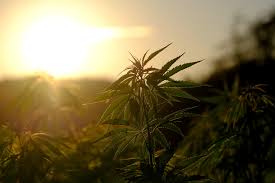
After planting, it’s essential to monitor the hemp plants for growth progress and health regularly. This includes:
- Weed Control: Hemp competes poorly with weeds, especially in the first six weeks of growth. Use mulch or consider a pre-emergent natural herbicide if necessary. As the hemp plants grow and canopy forms, they will naturally suppress most weeds.
- Pest and Disease Management: Regularly inspect your hemp plants for signs of pests or diseases. Common pests include aphids and mites, while fungal diseases can also occur. Use organic pesticides and ensure proper field hygiene to manage these issues effectively.
- Thinning: If you notice that plants are too densely packed, thinning them out can help improve air circulation and reduce moisture-related issues, enhancing overall plant health.
Heading Towards Harvest
As your hemp plants mature, preparing for the harvest becomes the next crucial step. Harvest timing is key to maximizing yield and quality, especially for seed production.
- Harvest Timing: Hemp seeds are usually ready to harvest about 110 to 120 days after planting. The best time to harvest is when 60-70% of the seeds are ripe. Look for the seeds to darken and the plants to begin to senesce.
- Harvest Method: For small scale productions, hand harvesting may be feasible. For larger fields, specialized equipment like combines can be used, adjusted specifically for hemp seed harvesting to prevent loss and damage.
- Post-Harvest Handling: Once harvested, the seeds need to be dried to a moisture content of about 9-10% to ensure they are safe for storage. Proper drying prevents mold growth and preserves the seeds’ quality.
Conclusion
Cultivating hemp seeds requires careful planning and attention to detail, from soil preparation and planting to nurturing and harvesting. By following the guidelines outlined in this guide, you can set up your hemp crop for success, contributing to the sustainable agriculture movement and potentially reaping significant benefits from this versatile crop. Whether for industrial use, nutritional products, or ecological benefits, hemp holds a promising place in the future of farming.