
Growing cannabis indoors offers a unique opportunity for cultivators to maintain complete control over the environmental conditions affecting their plants. This control is crucial for optimizing the growth and quality of cannabis, making indoor cultivation a preferred choice for many, especially in areas like Canada where outdoor conditions can be unpredictable. This guide will delve into the essentials of indoor cannabis growing, covering everything from setting up the right environment to choosing the best strains for your needs.
Setting Up Your Grow Space
The first step in successful indoor cannabis cultivation is designing an appropriate grow space. This space needs to be secure, clean, and free of clutter to ensure your plants can thrive without any disturbances. Common choices for indoor setups include spare rooms, closets, or even specially designed greenhouses. It’s important to choose a location that is easily accessible for regular maintenance yet secure enough to keep out pets, children, and potential pests.
To start, you’ll need to ensure your chosen area is completely light-proof. Cannabis plants require specific light cycles to thrive, and any light leaks could disrupt their growth phases. Using heavy curtains or blackout sheets can effectively shield your plants from unwanted light and external visibility, which is particularly important if privacy is a concern.
Read- A Step By Step Guide to Cultivate Hemp Seeds in Canada
Temperature and Humidity Control
Maintaining the right temperature and humidity is crucial for healthy plant growth. Cannabis plants typically thrive in temperatures between 20-30°C during the day when lights are on, and slightly cooler temperatures when the lights are off. Humidity levels should be adjusted according to the growth stage; higher humidity for seedlings and lower humidity during flowering to prevent mold.
Various equipment can help regulate these conditions. Heaters or air conditioners adjust temperature, while dehumidifiers and humidifiers manage moisture levels. Good ventilation is also essential to keep the air fresh and remove excess heat from lighting systems. An exhaust fan combined with a filtered air intake can create an effective air exchange system.
Choosing the Right Growth Medium
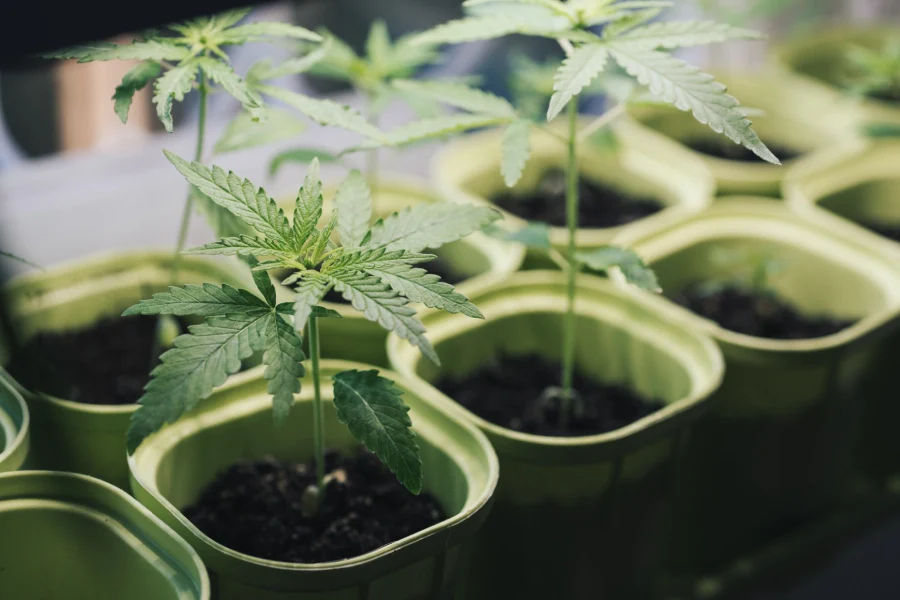
The medium you choose for plant growth plays a significant role in the health of your cannabis plants. Options include:
- Soil: Rich, well-draining soil is ideal for beginners due to its buffer capacity against pH and nutrient fluctuations.
- Coco Coir: A popular choice for its excellent aeration and drainage capabilities, coco coir can help speed up the growth cycle.
- Hydroponics: This soil-less method involves growing plants in a nutrient-rich water solution, offering faster growth rates and higher yields but requiring more technical knowledge and management.
Each medium has its advantages and considerations, so selecting one that matches your cultivation goals and experience level is important.
Lighting: The Heart of Indoor Growing
Light is perhaps the most critical factor in indoor cultivation. Cannabis requires ample light to photosynthesize and produce energy for growth. The most effective grow lights for cannabis include:
- LEDs: Energy-efficient and produce less heat. Suitable for smaller spaces.
- HPS: High-intensity discharge lights are great for larger setups but generate a lot of heat, which may require additional cooling measures.
The choice of lighting often depends on the scale of your grow operation and the specific requirements of the cannabis strains you choose to cultivate. Lights should be hung at the correct height above the plants, typically adjusted as the plants grow, to maximize light exposure without causing heat stress.
By setting up a well-designed indoor grow space, cultivators can create the ideal conditions for cannabis plants to flourish. This control over the growing environment is one of the key advantages of indoor cultivation, leading to potentially higher yields and quality than typically achieved outdoors. In the next section, we will explore the initial steps of starting your cannabis grow, including water management and nutrient supplementation, to ensure your indoor garden is set for success.
Water and Nutrient Management
Proper water and nutrient management is fundamental to the health and productivity of indoor cannabis plants. Since indoor environments provide no natural precipitation, cultivators must carefully balance the frequency and amount of watering to meet the plant’s needs without over-saturating the soil. Overwatering is a common mistake among new growers, leading to issues such as root rot and nutrient lockout.
Ideally, water should be at room temperature and not overly pure, as ultra-purified water can lack essential minerals that plants need. Nutrient-rich water can greatly enhance the growth and health of cannabis, especially in hydroponic setups where soil nutrients are absent. However, the nutrient concentration needs to be carefully controlled to avoid “nutrient burn,” indicated by the tips of the leaves turning brown and crispy.
Germinating Seeds
The journey of growing cannabis indoors starts with successful seed germination. This critical first step requires a controlled environment where temperature and moisture are carefully monitored. There are two primary methods for germinating cannabis seeds:
- Seed Starting Kits: These kits provide an optimal environment for seeds to begin sprouting, including balanced moisture and nutrients.
- Direct Soil Planting: Seeds can also be germinated directly in their final growing medium, whether soil, coco coir, or a hydroponic substrate. This method can be less controlled but allows the seedlings to adapt immediately to their growing environment.
Once seeds have sprouted, it’s important to provide gentle light, such as from fluorescent tubes, to encourage healthy initial growth without overpowering the delicate new plants.
The Vegetative Stage
After germination, cannabis plants enter the vegetative stage, where they develop the majority of their leaf mass and structural integrity. During this phase, plants require 16 hours of light per day, which can be managed with a timer to ensure consistency. The vegetative stage is crucial for establishing a strong and healthy plant capable of supporting the buds that will form later.
During this time, spacing between plants should be optimized to ensure each receives enough light and air circulation to reduce the risk of mold and pests. Pruning and training plants during the vegetative stage can also improve light exposure and air flow, leading to more robust growth and higher yields.
Transitioning to the Flowering Stage
The shift from the vegetative to the flowering stage is triggered by altering the light cycle to 12 hours of light and 12 hours of darkness. This mimics the natural reduction in daylight hours and signals to the plants that it’s time to start producing flowers. It’s also a time to adjust the nutrient formula to one more suited for flowering, typically with higher phosphorus and potassium contents to support bud development.
As plants begin to flower, maintaining strict control over the light schedule is essential. Any interruption can disrupt the flowering process and lead to lower yields or hermaphroditic plants. Additionally, temperature and humidity should be slightly adjusted to support optimal flower development and prevent issues such as bud rot.
By carefully managing these early stages of growth, indoor cannabis cultivators can set the stage for a successful harvest. Attention to detail in water, light, and nutrient management can make all the difference in the quality and quantity of the final yield. In the upcoming final section, we will delve into the crucial steps of monitoring and harvesting your cannabis, ensuring that all your hard work culminates in a potent and high-quality product.
Monitoring for Optimal Growth
Constant monitoring throughout the growth cycle is crucial to catch and address any issues before they become problematic. This includes regularly checking the pH of the soil or nutrient solution, as imbalances can affect nutrient uptake. Moisture meters can be invaluable tools for ensuring the growing medium remains at the ideal moisture level, reducing the risk of both underwatering and overwatering.
Visual inspections should also be part of the daily routine. Look for signs of nutrient deficiencies, pest infestations, or diseases. Common symptoms like discolored leaves, stunted growth, or visible pests require immediate attention to prevent further damage.
Harvesting Your Cannabis
The right time to harvest your cannabis plants is when they have reached full maturity, indicated by the coloring and condition of the trichomes—the tiny, crystal-like structures on the buds that contain most of the plant’s cannabinoids. Clear trichomes indicate that the plant is still too young, while a mix of milky white and amber trichomes suggests that the plant is at its peak potency.
Harvesting should be done carefully to avoid damaging the plants and trichomes. Using sharp, clean scissors, cut the branches and remove the large leaves. This initial pruning makes the subsequent drying and curing process more efficient.
Curing and Storage
After harvesting, the buds need to be dried and cured to enhance their potency and flavor. Hang the trimmed branches in a controlled environment—cool, dark, and with slight ventilation—to slowly dry the buds. This process can take anywhere from a week to several weeks depending on the conditions.
Once the buds are dry, they should be placed in airtight containers, like glass jars, and stored in a cool, dark place. During the first week of curing, open the containers several times a day to allow fresh air in and any excess moisture to escape. This helps to prevent mold and improves the overall quality of the buds.
Conclusion: The Reward of Diligence
Growing cannabis indoors, while demanding, offers numerous rewards. By controlling every aspect of the environment, from light to nutrients to humidity, you can produce high-quality cannabis that might be difficult to achieve outdoors, especially in unpredictable climates like those in Canada.
As you gain experience, each cycle of growth will teach you new lessons about what works best for your specific setup and strains. Continuous learning and adapting are key to refining your cultivation process. Whether for personal use or broader distribution, the care you put into growing and harvesting your cannabis will be evident in the potency and purity of the final product.
Remember, the success of your indoor cannabis garden largely depends on attention to detail and consistency. With patience and practice, even beginners can achieve results that are both gratifying and impressive. Enjoy the journey of growing your own cannabis, and reap the benefits of your hard work with each successful harvest.