
In recent years, hemp seeds have gained significant attention as a superfood. Often referred to as “hemp hearts,” these tiny seeds are packed with nutrition, offering numerous health benefits that make them an essential addition to any diet. From promoting heart health to providing a complete source of plant-based protein, hemp seeds are incredibly versatile and nutrient-dense. In this blog post, we’ll explore the many reasons why hemp seeds should be a staple in your diet and how they can contribute to a healthier, more balanced lifestyle.
What Are Hemp Seeds?
Hemp seeds are the small, edible seeds of the Cannabis sativa plant. Unlike marijuana, which contains the psychoactive compound THC, hemp seeds contain only trace amounts of THC (less than 0.3%), making them safe for consumption without any mind-altering effects. In fact, hemp seeds are prized not for their connection to cannabis but for their nutritional content.
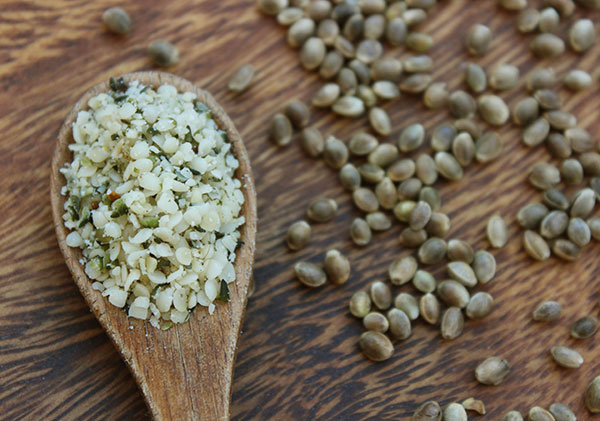
Hemp seeds are often sold with their outer shell removed, leaving behind the soft, nutty-tasting “hemp hearts.” They can be consumed raw, cooked, or ground into powder, and they are used in everything from smoothies and salads to baked goods and protein bars.
Nutritional Breakdown of Hemp Seeds
Hemp seeds are rich in a variety of essential nutrients, making them a true nutritional powerhouse. A 3-tablespoon (30-gram) serving of hemp seeds provides the following:
- Calories: 166
- Protein: 9.5 grams
- Fat: 14.6 grams (of which 1.6 grams are saturated)
- Carbohydrates: 2.6 grams
- Fiber: 1.2 grams
In addition to this macronutrient profile, hemp seeds are also packed with:
- Vitamins and Minerals: Including vitamin E, magnesium, phosphorus, potassium, and iron.
- Omega-3 and Omega-6 Fatty Acids: Hemp seeds are one of the few plant-based foods that contain an optimal 3:1 ratio of omega-6 to omega-3 fatty acids, essential for cardiovascular health and reducing inflammation.
1. A Complete Source of Plant-Based Protein
For those following plant-based diets, finding complete sources of protein can sometimes be challenging. Hemp seeds offer a unique solution. They contain all nine essential amino acids, making them a complete protein source similar to meat, dairy, and eggs. This makes hemp seeds an excellent option for vegetarians, vegans, or anyone looking to reduce their consumption of animal products.
The protein in hemp seeds is also highly digestible. Around 65% of the protein content is edestin, a type of protein that is easily absorbed by the body. The remaining 35% is albumin, another easily digestible protein. This combination makes hemp seeds a superior source of plant-based protein compared to other seeds, nuts, and grains.
2. Rich in Essential Fatty Acids
One of the standout features of hemp seeds is their impressive content of healthy fats, particularly omega-3 and omega-6 fatty acids. These essential fatty acids are crucial for maintaining overall health, especially for heart and brain function. Hemp seeds contain gamma-linolenic acid (GLA), an omega-6 fatty acid that has been shown to reduce inflammation and promote hormone balance.
The 3:1 ratio of omega-6 to omega-3 in hemp seeds is considered the ideal balance for optimal health. Most Western diets are skewed heavily toward omega-6 fatty acids due to the consumption of processed foods, which can lead to inflammation and health issues. Adding hemp seeds to your diet can help restore this balance and support cardiovascular health, reduce the risk of chronic diseases, and promote cognitive function.
3. High in Fiber for Digestive Health
Hemp seeds, especially those with the shells intact, are an excellent source of dietary fiber. Fiber is crucial for maintaining a healthy digestive system, as it promotes regular bowel movements and helps prevent constipation. It also plays a role in regulating blood sugar levels, lowering cholesterol, and promoting feelings of fullness, which can aid in weight management.
Even shelled hemp seeds, which contain less fiber than their whole counterparts, still contribute a modest amount of dietary fiber. Including hemp seeds in your daily meals can help ensure you’re getting enough fiber to support healthy digestion and overall gut health.
4. Packed with Vitamins and Minerals
In addition to their macronutrient profile, hemp seeds are also rich in important vitamins and minerals that play key roles in maintaining overall health:
- Magnesium: Hemp seeds are an excellent source of magnesium, which is essential for hundreds of enzymatic processes in the body. Magnesium supports muscle function, helps regulate blood pressure, and promotes better sleep.
- Iron: Hemp seeds provide a significant amount of iron, which is vital for producing red blood cells and transporting oxygen throughout the body. Including hemp seeds in your diet can help prevent iron deficiency, particularly for those following plant-based diets.
- Vitamin E: Hemp seeds are high in vitamin E, a powerful antioxidant that protects the body’s cells from oxidative damage and supports skin and eye health.
5. Anti-Inflammatory Benefits
Chronic inflammation is linked to a wide range of diseases, including heart disease, diabetes, and arthritis. The omega-3 fatty acids in hemp seeds, particularly alpha-linolenic acid (ALA), have been shown to reduce inflammation and may lower the risk of developing these chronic conditions. Additionally, the GLA in hemp seeds is known for its anti-inflammatory properties and can be beneficial for conditions like eczema, psoriasis, and arthritis.
For individuals with autoimmune disorders, incorporating hemp seeds into the diet may help reduce symptoms by modulating the body’s immune response and lowering inflammation levels.
6. Supports Heart Health
Heart disease is the leading cause of death worldwide, making heart health a top priority. Fortunately, hemp seeds are loaded with nutrients that are beneficial for cardiovascular health. The combination of omega-3 and omega-6 fatty acids, fiber, and plant-based protein makes hemp seeds a heart-friendly food.
Research suggests that omega-3 fatty acids help lower blood pressure, reduce triglycerides, and improve overall heart function. The GLA in hemp seeds has also been linked to lower cholesterol levels and a reduced risk of cardiovascular disease.
7. May Help with Skin Disorders
Hemp seeds may also have benefits for skin health, particularly for individuals suffering from skin conditions like acne, eczema, and psoriasis. Studies suggest that the fatty acids in hemp seeds can help reduce skin dryness and irritation. The anti-inflammatory properties of GLA may also reduce redness, itchiness, and inflammation in the skin.
Some people even use hemp seed oil topically as part of their skincare routine to nourish the skin, improve hydration, and reduce signs of aging.
8. Balances Hormones Naturally
Hemp seeds are a natural source of GLA, which has been shown to support hormone balance. GLA can help regulate the production of prostaglandins, hormone-like substances that play a role in managing inflammation and other bodily functions.
For women, hemp seeds can be particularly beneficial in balancing hormones during menstruation and menopause. Some studies suggest that GLA can help alleviate symptoms of premenstrual syndrome (PMS), such as breast tenderness, mood swings, and cramping.
How to Incorporate Hemp Seeds into Your Diet
Hemp seeds are incredibly versatile and easy to incorporate into your daily diet. Here are some simple ways to enjoy the benefits of hemp seeds:
- Sprinkle on Salads: Add a tablespoon of hemp seeds to your salad for a protein boost and a mild, nutty flavor.
- Blend into Smoothies: Toss a handful of hemp seeds into your morning smoothie for extra nutrition and creaminess.
- Top Your Oatmeal: Sprinkle hemp seeds on top of oatmeal or yogurt to add texture and nutrients.
- Mix into Baked Goods: Add hemp seeds to muffins, breads, or homemade granola for an extra dose of protein and healthy fats.
- Make Hemp Seed Milk: Blend hemp seeds with water for a dairy-free milk alternative that’s packed with nutrients.
Read Also : Hemp Seed Oil vs. Hemp Seeds: What’s the Difference?
Conclusion: A Nutritional Powerhouse You Can’t Ignore
Hemp seeds are more than just a trendy superfood—they are a nutritional powerhouse that can benefit nearly every aspect of your health. With their impressive profile of protein, healthy fats, fiber, vitamins, and minerals, hemp seeds should be a staple in any diet, whether you’re looking to boost heart health, improve digestion, balance hormones, or simply add more nutrient-rich foods to your meals.
By incorporating hemp seeds into your daily routine, you’ll not only enjoy their nutty flavor and versatility but also reap the long-lasting health benefits they offer. Start small by adding a few tablespoons to your meals and watch how this superfood transforms your diet and well-being.