
Hemp seed oil has gained significant popularity as a versatile and nutrient-rich product used in health, skincare, and cooking. Derived from the seeds of the hemp plant, it is packed with essential fatty acids, vitamins, and antioxidants. Understanding the science behind its extraction and its various uses helps consumers appreciate its value and ensures they select the highest quality oil for their needs.
What is Hemp Seed Oil?
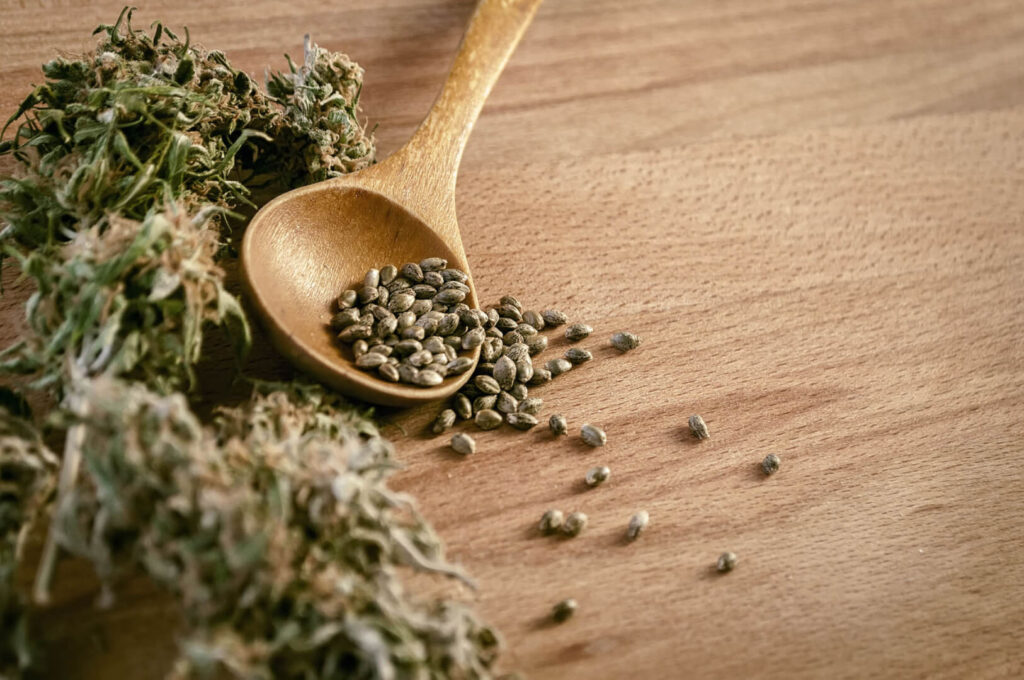
Hemp seed oil is extracted from the seeds of the hemp plant (Cannabis sativa). Unlike CBD oil, which is derived from the plant’s flowers and stalks, hemp seed oil contains no cannabinoids like THC or CBD. Instead, it is prized for its rich composition of nutrients, including omega fatty acids, gamma-linolenic acid (GLA), and vitamins A, D, and E.
The Composition of Hemp Seeds
Hemp seeds are highly nutritious, containing approximately:
- 30-35% oil by weight
- 25% protein
- 35% carbohydrates and fiber This composition makes hemp seeds a superfood, and the oil extracted from them retains many of these beneficial properties.
Methods of Hemp Seed Oil Extraction
The quality of hemp seed oil largely depends on the extraction method used. Here are the most common methods:
Cold-Pressing
This is the most common and preferred method for producing high-quality hemp seed oil. The seeds are mechanically pressed at low temperatures to extract the oil, preserving its nutrients and flavor. The result is a light green, nutty-flavored oil that is unrefined and packed with essential nutrients.
Solvent Extraction
This method uses chemical solvents like hexane to extract oil from the seeds. While it yields a higher volume, the process may strip away some nutrients and introduce chemical residues. It is less common for food-grade hemp seed oil.
Supercritical CO2 Extraction
A more advanced and environmentally friendly method, CO2 extraction uses carbon dioxide at high pressure to extract oil without heat or solvents. It ensures maximum retention of nutrients but is more expensive and primarily used for premium oils.
Expeller Pressing
Similar to cold-pressing but involves higher temperatures. This method may reduce the oil’s nutritional content due to heat exposure, but it is still a viable option for large-scale production.
Each method has its pros and cons, but cold-pressed hemp seed oil is the gold standard for retaining the seed’s natural properties.
Key Nutrients in Hemp Seed Oil
Hemp seed oil is loaded with nutrients that make it beneficial for various applications:
- Omega-3 and Omega-6 Fatty Acids: The oil has an ideal 3:1 ratio of omega-6 to omega-3, supporting heart health, brain function, and reducing inflammation.
- Gamma-Linolenic Acid (GLA): A unique omega-6 fatty acid known for its anti-inflammatory properties, helpful for conditions like eczema and arthritis.
- Vitamins and Minerals: Contains vitamin E for antioxidant benefits, as well as potassium, magnesium, and zinc for overall health.
- Phytonutrients: Includes chlorophyll and phytosterols, which promote immune health and reduce cholesterol.
Uses of Hemp Seed Oil
Hemp seed oil’s versatility spans across industries, from health and wellness to skincare and cooking.
1. Culinary Uses
Hemp seed oil is a nutrient-rich addition to any diet. It is used as:
- Salad Dressing: Its nutty flavor complements salads, dips, and marinades.
- Cooking Oil: While it has a low smoke point (around 330°F/165°C), it’s best used in cold dishes or light sautéing to retain its nutrients.
- Nutritional Supplement: A tablespoon of hemp seed oil provides essential fatty acids and vitamins that support overall health.
2. Skincare and Beauty
Hemp seed oil is a common ingredient in skincare products due to its ability to hydrate and soothe the skin. Key benefits include:
- Moisturization: The oil penetrates deeply without clogging pores, making it ideal for all skin types, including acne-prone skin.
- Anti-Inflammatory Properties: Reduces redness and irritation, helpful for eczema, psoriasis, and sensitive skin.
- Anti-Aging: Rich in antioxidants and omega fatty acids, it helps reduce fine lines and promote collagen production.
It is often found in moisturizers, serums, and hair care products for its nourishing properties.
3. Health and Wellness
Hemp seed oil is popular for its potential health benefits:
- Heart Health: The omega fatty acids in hemp seed oil help reduce bad cholesterol and promote cardiovascular health.
- Joint Support: GLA may reduce inflammation and improve joint flexibility in conditions like arthritis.
- Brain Health: Omega-3 fatty acids support cognitive function and may reduce the risk of neurodegenerative diseases.
4. Industrial Applications
Beyond personal use, hemp seed oil is utilized in various industrial applications:
- Biofuels: As a sustainable energy source.
- Lubricants and Paints: Used in manufacturing eco-friendly products.
- Animal Care: Included in pet diets to improve coat health and reduce inflammation.
How to Choose High-Quality Hemp Seed Oil
When purchasing hemp seed oil, consider the following:
- Cold-Pressed and Unrefined: These oils retain the highest nutrient content.
- Organic Certification: Ensures the oil is free from pesticides and synthetic additives.
- Packaging: Look for oils in dark glass bottles to protect them from light and heat, which can degrade quality.
- Source Transparency: Reputable brands provide information about the seeds’ origin and the extraction process.
Proper Storage of Hemp Seed Oil
Hemp seed oil is sensitive to light, heat, and air, which can cause it to oxidize and become rancid. To extend its shelf life:
- Store it in a cool, dark place, such as a refrigerator.
- Keep the bottle tightly sealed.
- Use it within 6-12 months of opening for maximum freshness.
Future Trends in Hemp Seed Oil
As hemp cultivation continues to grow, new trends and innovations are emerging:
- Fortified Products: Hemp seed oil infused with CBD or other supplements is becoming increasingly popular.
- Sustainable Packaging: Eco-friendly packaging solutions align with the sustainable nature of hemp.
- Functional Foods: Hemp seed oil is being incorporated into snacks, protein bars, and beverages to enhance nutritional value.
Read Also : The Nutritional Powerhouse: Why Hemp Seeds Should Be a Staple in Your Diet
Final Thoughts
Hemp seed oil is a powerful, multi-purpose product derived from the nutrient-dense seeds of the hemp plant. Its extraction methods, nutritional profile, and diverse applications make it a valuable addition to health routines, culinary dishes, and skincare regimens. By understanding the science behind its production and uses, consumers can make informed choices and fully harness the benefits of this natural superfood.