
Hemp seeds, often referred to as “nature’s perfect food,” are quickly gaining recognition as a superfood that promises numerous health benefits. As awareness about the importance of plant-based diets and sustainable agriculture continues to grow, hemp seeds are emerging as a key player in the future of food and nutrition. These tiny, nutrient-dense seeds are not only packed with essential fatty acids, protein, and fiber but also have a minimal environmental footprint. In this blog post, we will explore how hemp seeds are changing the future of food and nutrition, and why they should be a staple in your diet.
What Are Hemp Seeds?
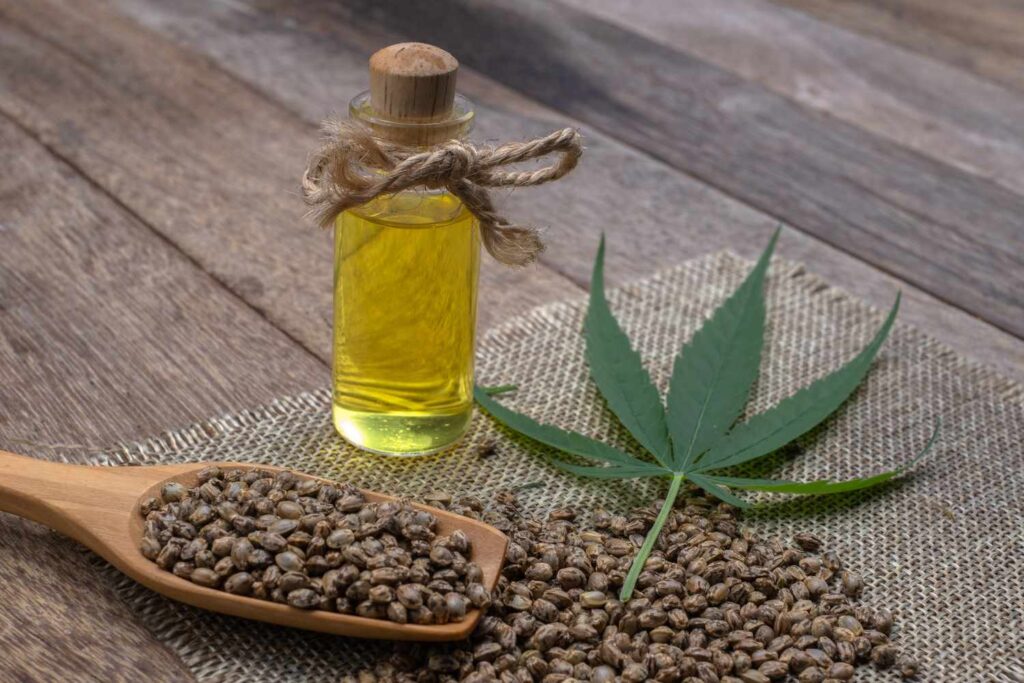
Hemp seeds are the seeds of the hemp plant (Cannabis sativa). Unlike marijuana, which is also derived from the cannabis family, hemp seeds contain only trace amounts of THC (tetrahydrocannabinol), the psychoactive compound. This makes them safe for consumption without any intoxicating effects.
These seeds are rich in essential nutrients, including high-quality protein, healthy fats (omega-3 and omega-6 fatty acids), vitamins, and minerals. They are also known for their ability to support overall health, improve digestion, boost immunity, and even promote heart health.
The Nutritional Power of Hemp Seeds
Hemp seeds are a nutritional powerhouse, packed with the following essential nutrients:
1. Complete Protein Source
Hemp seeds are one of the few plant-based foods that provide a complete protein source. This means they contain all nine essential amino acids that the human body cannot produce on its own. For vegetarians and vegans, hemp seeds offer an excellent alternative to animal-based protein sources like meat, eggs, and dairy.
A single serving of hemp seeds (around 3 tablespoons or 30 grams) contains about 10 grams of protein. This makes hemp seeds an ideal food for muscle recovery, growth, and general health.
2. Healthy Fats: Omega-3 and Omega-6 Fatty Acids
Hemp seeds contain an ideal ratio of omega-3 to omega-6 fatty acids (1:3), which is considered optimal for supporting cardiovascular health. Omega-3 fatty acids, in particular, are known for their anti-inflammatory properties and their ability to support brain function and heart health. Omega-6 fatty acids help maintain healthy skin, regulate metabolism, and improve overall cell function.
The healthy fats in hemp seeds also support the absorption of fat-soluble vitamins like vitamins A, D, E, and K, which are crucial for maintaining a healthy immune system.
3. Rich in Fiber
Hemp seeds are an excellent source of both soluble and insoluble fiber. Fiber is essential for digestive health, helping to regulate bowel movements, prevent constipation, and improve overall gut health. A high-fiber diet has also been linked to a lower risk of chronic diseases like heart disease and diabetes.
Incorporating hemp seeds into your diet can help improve digestion, promote gut health, and keep you feeling full longer, which may support healthy weight management.
4. Vitamins and Minerals
Hemp seeds are a good source of several essential vitamins and minerals, including:
- Vitamin E: Known for its antioxidant properties, vitamin E supports immune health, skin health, and acts as a powerful anti-inflammatory.
- Magnesium: Vital for bone health, muscle function, and the regulation of blood pressure.
- Iron: Important for red blood cell production and preventing iron-deficiency anemia.
- Zinc: Supports immune function, wound healing, and cell growth.
With their diverse array of vitamins and minerals, hemp seeds help fill gaps in your nutritional needs and support overall health.
Hemp Seeds and Sustainable Agriculture
Hemp is a highly sustainable crop. It requires minimal water, pesticides, and fertilizers compared to traditional crops like wheat or corn. Hemp also grows quickly and can be harvested in just a few months, making it an excellent option for environmentally-conscious farming.
1. Low Environmental Impact
Hemp is known for its ability to grow in a variety of climates and soil conditions. It requires fewer resources to grow compared to other crops. Hemp can even be cultivated on land that is not suitable for other crops, thus reducing the pressure on arable land.
The hemp plant is also biodegradable and can be used in a variety of products such as paper, textiles, and biodegradable plastics. By incorporating hemp into our food systems, we can support sustainable agriculture and reduce our reliance on environmentally harmful farming practices.
2. Soil Health
Hemp plants have deep roots that help improve soil structure by preventing erosion and promoting nutrient cycling. Additionally, hemp can absorb heavy metals and toxins from the soil, making it an ideal crop for soil remediation projects. This environmental benefit ensures that hemp farming contributes positively to the health of the land.
How Hemp Seeds Are Changing the Food Industry
Hemp seeds are making their mark in the food industry, and their versatility is contributing to their rise in popularity. From smoothies to baked goods, hemp seeds are being incorporated into a wide range of food products.
1. Plant-Based Dairy Alternatives
Hemp seeds are used to create a variety of plant-based milk alternatives, such as hemp milk, which is rich in nutrients and easy to digest. Hemp milk is dairy-free, making it suitable for individuals with lactose intolerance or those following a vegan or plant-based diet. It’s a great source of calcium, omega-3 fatty acids, and protein, making it a perfect alternative to cow’s milk.
Hemp-based dairy alternatives are gaining traction in the market as consumers increasingly seek sustainable, plant-based options. With their mild, nutty flavor and nutritional benefits, hemp seeds are being used to create dairy-free cheeses, ice creams, and yogurts as well.
2. Healthy Snacks and Protein Bars
Many food manufacturers are adding hemp seeds to snacks, energy bars, and protein shakes. Their high protein content makes them an excellent addition to post-workout snacks or meal replacements. Hemp protein powder is also available as a supplement, offering a plant-based protein source for those who prefer vegan options.
Hemp seeds are also being used in baked goods like bread, cookies, and granola bars, providing an added nutritional boost. With their growing popularity, hemp seeds are transforming the snack industry by offering healthier, nutrient-dense alternatives.
3. Hemp-Based Oils and Dressings
Hemp seed oil, which is pressed from the seeds, is another popular product in the food industry. Known for its mild flavor and healthy fat content, hemp seed oil is used in salad dressings, dips, and cooking. Hemp seed oil is also rich in antioxidants and omega-3 fatty acids, making it a healthy addition to various dishes.
The Future of Hemp Seeds in Food and Nutrition
As more people become aware of the health benefits and sustainability of hemp seeds, the demand for hemp-based products is expected to continue growing. Hemp seeds are being increasingly included in food products, supplements, and wellness routines. They offer a versatile and nutritious ingredient that supports overall health while promoting sustainability.
With the increasing interest in plant-based diets, sustainable farming, and eco-friendly food sources, hemp seeds are well-positioned to play a significant role in the future of food and nutrition. As more research is conducted on the benefits of hemp seeds and their potential uses, we can expect to see even more innovations in the food industry.
Read Also : The Science Behind Hemp Seed Oil Extraction and Uses
Conclusion
Hemp seeds are truly a superfood for the future, offering a wealth of nutrients, health benefits, and sustainability advantages. Their protein-rich profile, heart-healthy fats, and digestive benefits make them an ideal addition to any diet. As the food industry embraces plant-based nutrition and eco-friendly practices, hemp seeds are poised to change the way we think about food and nutrition.
By incorporating hemp seeds into our daily diets, we can support a healthier lifestyle while contributing to a more sustainable and environmentally-conscious food system. Whether in smoothies, baked goods, or as a protein supplement, hemp seeds are transforming the future of food and nutrition.