
Introduction
Hemp seeds and their oil are no longer niche pantry items — they’ve earned a place on bathroom shelves and in beauty formulations for good reason. Rich in essential fatty acids, antioxidants, vitamins, and amino acids, hemp seeds support skin barrier health, scalp balance, and overall hair strength. This article explains what hemp seeds are (and how they differ from CBD and hemp oil), why their nutrient profile matters for skin and hair, practical ways to use them in your routine, easy DIY recipes, safety considerations, and how to choose quality products.
What are Hemp Seeds and Hemp Seed Oil?
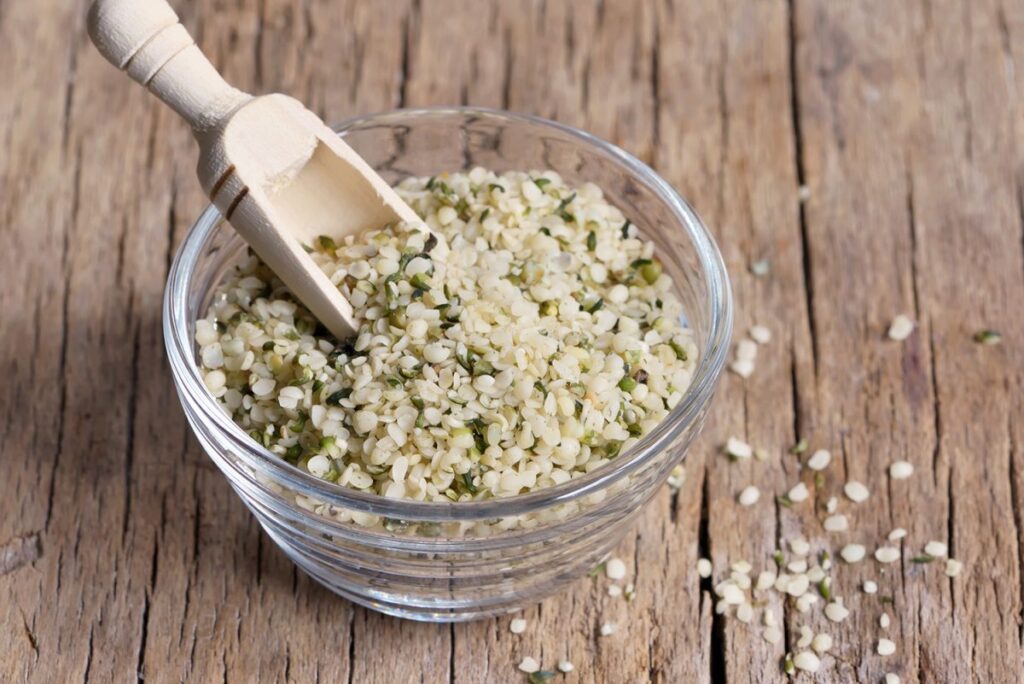
Hemp seeds come from the hemp plant, a variety of Cannabis sativa bred for industrial and nutritional uses. Unlike marijuana, hemp used for food contains negligible THC. Whole hemp seeds are tender, nutty seeds often sold hulled as “hemp hearts.” Cold-pressed hemp seed oil is extracted from these seeds and used both in cooking and as a cosmetic ingredient.
Important distinction: hemp seeds and hemp seed oil are not the same as CBD oil. Hemp seeds contain almost no cannabinoids like CBD; their value lies primarily in fats (oils), proteins, vitamins, and minerals. CBD products are extracted from whole-plant material (including flowers) and are used for cannabinoid effects. For beauty applications, hemp seed oil—valued for its fatty-acid profile and light texture—is the primary ingredient of interest.
Why Hemp Seeds help Skin and Hair: The Nutrient Breakdown
Hemp seeds pack a concentrated, skin-friendly nutritional profile. The components that matter most for beauty are:
- Essential fatty acids (EFAs): Hemp seed oil is roughly 75–80% polyunsaturated fat, with an excellent omega-6 (linoleic acid) to omega-3 (alpha-linolenic acid) ratio of about 3:1. It also contains gamma-linolenic acid (GLA), a rarer omega-6 with notable anti-inflammatory potential. EFAs help rebuild and nourish the skin barrier, retain moisture, and calm irritation.
- Vitamins: Hemp seeds contain vitamin E (an antioxidant) and trace amounts of B vitamins, which support skin repair and scalp health.
- Minerals: Zinc, magnesium, and iron in hemp seeds support cell turnover and hair growth processes.
- Amino acids and protein: The seeds are a complete plant protein source with all nine essential amino acids; topically, amino acids support collagen synthesis and hair structure.
- Antioxidants: Tocopherols (forms of vitamin E) and other antioxidant compounds help counter oxidative stress that accelerates skin aging.
Together, these nutrients make hemp seed oil a natural emollient that hydrates without feeling greasy, a calming ingredient for sensitive skin and scalp, and a supportive nutrient for hair strength and elasticity.
Skin Benefits: What Hemp Seed Oil can do
1. Strengthen the skin barrier and lock in moisture
Hemp seed oil’s EFAs integrate into the skin’s lipid matrix. Replenishing these lipids helps restore the barrier that prevents transepidermal water loss, so skin stays hydrated and plump. For dry or flaky skin, topical hemp seed oil can improve comfort and appearance.
2. Balance oily and acne-prone skin
This may sound counterintuitive, but lightweight oils rich in linoleic acid can help regulate sebum production. Many people with acne-prone skin have sebum deficient in linoleic acid; applying a non-comedogenic oil like hemp seed oil can normalize oil composition, potentially reducing clogged pores. Its anti-inflammatory components (GLA and antioxidants) can also reduce redness.
3. Calm irritation and redness
GLA and omega-3s in hemp seed oil exert mild anti-inflammatory effects. People with redness-prone skin, rosacea tendencies, or post-procedure inflammation may find hemp oil soothing when used appropriately.
4. Antioxidant protection and anti-aging support
Vitamin E and other antioxidants in hemp seed oil help neutralize free radicals from UV exposure and pollution. While hemp oil is not a sunscreen, incorporating antioxidant-rich oils into a routine supports longer-term skin resilience and may slow visible aging signs.
Hair and scalp benefits
1. Scalp health and balanced sebum
Applied to the scalp, hemp seed oil nourishes and moisturizes without heavy buildup when used correctly. Its EFAs can help correct dry, itchy scalps and may improve the environment for healthier hair growth.
2. Strength and elasticity for hair strands
Amino acids and lipids in hemp seed oil penetrate the hair cuticle to provide flexibility and reduce breakage. Regular topical use or inclusion in hair masks can help hair feel softer and more manageable.
3. Shine and frizz control
A lightweight hemp oil can smooth hair cuticles and add a natural sheen without the thick, greasy finish of some heavier oils. It’s especially helpful for fine-to-medium hair types that need moisture without weight.
How to use hemp seeds and hemp seed oil in your beauty routine
1. Topical uses
- Facial oil or serum: Use pure cold-pressed hemp seed oil as the last step in your evening routine or combined with a water-based moisturizer in the morning. It layers well because it’s light and absorbs quickly.
- Moisturizer boost: Add a few drops to your cream to increase lipid content and improve barrier repair.
- Scalp treatment: Massage warmed hemp seed oil into the scalp 30–60 minutes before washing to soothe dryness. Mix with a carrier like jojoba for extra slip if you have fine hair.
- Hair mask: Combine hemp oil with coconut or argan oil and apply from mid-lengths to ends; leave 30–60 minutes and shampoo out. For protein balance, alternate with a protein treatment.
- Spot soothing: Dab a little oil on inflamed or dry patches to reduce tightness and redness.
2. Oral and dietary uses (support from the inside)
Eating hemp seeds or adding hemp seed oil to food supports skin and hair from within. Regular dietary intake can influence the fatty acid balance in skin cells and the overall inflammatory state—factors that matter for complexion and hair health. Sprinkle hemp hearts on salads, smoothies, or yogurt, or use hemp seed oil in dressings (do not use for high-heat cooking; it smokes easily).
DIY beauty recipes
Here are simple recipes to try at home. Always patch test new blends.
1. Gentle daily facial oil
- 2 parts cold-pressed hemp seed oil
- 1 part rosehip seed oil (for extra vitamin A and skin regeneration)
- 2–3 drops lavender or tea tree oil (optional; adjust if sensitive)
Apply 2–4 drops to cleansed skin and massage gently.
2. Scalp pre-wash treatment
- 2 tablespoons hemp seed oil
- 1 tablespoon jojoba oil
Warm slightly, massage into scalp for 10 minutes, leave 30–60 minutes, then shampoo.
3. Nourishing hair mask
- 1 tablespoon hemp seed oil
- 1 tablespoon coconut oil
- 1 teaspoon honey (moisture-retaining, optional)
Apply to lengths, cover with a shower cap, leave 30–45 minutes, shampoo thoroughly.
4. Soothing body balm for dry areas
- 2 tablespoons hemp oil
- 1 tablespoon shea butter (melted)
- 1 teaspoon vitamin E oil
Whisk and let solidify in a jar; use on elbows, knees, and heels.
Choosing quality hemp seed oil and products
- Cold-pressed and unrefined oils retain the fatty-acid profile and antioxidants. Refined oils may lose beneficial compounds.
- Look for transparent sourcing: brands that disclose farming regions and manufacturing practices are preferable.
- Check packaging: dark glass bottles protect the oil from light degradation. Avoid large plastic jugs for cosmetic use.
- Minimal additives: single-ingredient hemp seed oil is best for topical use to reduce risk of irritation from unnecessary fragrances.
- Food-grade for ingestible use: if you plan to eat the oil, ensure it is labelled food-grade.
Safety and precautions
- Patch test first: apply a small amount on the inner forearm and wait 24–48 hours to check for reaction.
- Allergies: hemp seed allergy is uncommon but possible. If you have known seed or nut allergies, consult a healthcare provider before ingesting or applying.
- Pregnancy and nursing: topical use is generally considered low risk, but consult a healthcare professional before starting oral supplementation.
- Drug interactions: topical application rarely causes systemic effects. If you take medications and plan to ingest hemp seed oil regularly, discuss with your clinician; interactions are more relevant to cannabinoid-rich extracts than to seed oil, but it’s wise to check.
- Storage: store in a cool, dark place and use within the manufacturer’s recommended timeframe. Rancid oil will smell off and should be discarded.
How hemp seed oil compares with other beauty oils
- Versus jojoba: jojoba acts more like sebum and is excellent for very oily or acne-prone skin. Hemp seed oil adds EFAs and GLA for anti-inflammatory benefits.
- Versus argan: argan is richer and slightly heavier, great for dry or frizzy hair. Hemp is lighter, better for balancing and for oily hair/scalps.
- Versus rosehip: rosehip excels at regeneration and vitamin A support; hemp complements with fatty acids and barrier repair.
Choosing an oil often comes down to skin/hair type and the specific concern you’re targeting.
Also Read: Hemp Seed Oil vs. Hemp Seed: Benefits, Uses, and Differences
Final thoughts
Hemp seeds and hemp seed oil offer a multi-dimensional approach to beauty: nourish the skin barrier, calm inflammation, support scalp health, and improve hair strength. They shine for people who want effective, plant-based, lightweight ingredients that slot easily into both topical and dietary routines. Start small, choose cold-pressed, high-quality oils, patch-test new products, and combine internal and topical care for the best results. Used thoughtfully, hemp-derived beauty can be a gentle, powerful ally for healthier skin and hair.