
Hemp seed oil and hemp seeds are often praised for their nutritional benefits and versatile uses. While they come from the same plant species, Cannabis sativa, they differ significantly in composition, uses, and potential health benefits.
What are Hemp Seeds?
Hemp seeds, also known as hemp hearts, are the seeds of the hemp plant, Cannabis sativa. They are small, brown seeds with a nutty flavor and a rich nutritional profile. Hemp seeds are renowned for their high content of essential fatty acids, protein, and various vitamins and minerals.
Composition of Hemp Seeds
Hemp seeds contain:
- Omega-3 and Omega-6 fatty acids in an optimal ratio for human health.
- High-quality plant-based protein, including all essential amino acids.
- Vitamin E, an antioxidant that supports immune function and skin health.
- Minerals such as magnesium, potassium, and iron, essential for various bodily functions.
Culinary Uses of Hemp Seeds
Hemp seeds are commonly used:
- In Smoothies and Shakes: They add a nutty flavor and nutritional boost to beverages.
- In Salads and Yogurts: Sprinkled over salads or mixed into yogurt for added texture and nutrients.
- As a Topping: Sprinkled over cereal, oatmeal, or granola for a crunchy texture.
What is Hemp Seed Oil?
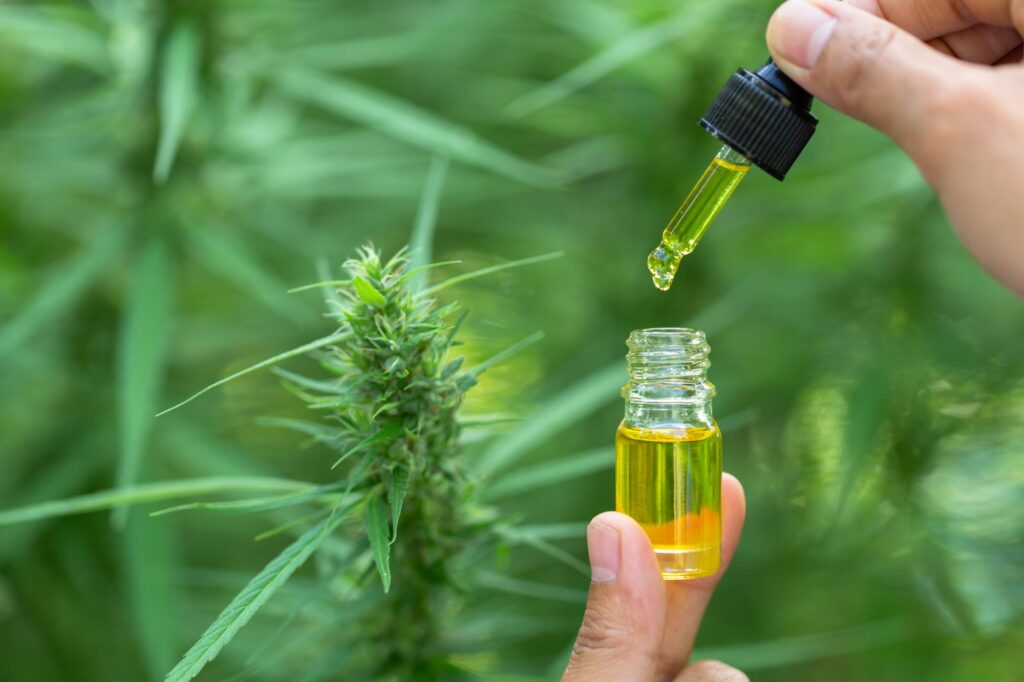
Hemp seed oil is extracted from the seeds of the hemp plant through cold-pressing. It is a clear greenish or yellowish oil with a nutty flavor. Unlike CBD oil, which is extracted from the flowers and leaves of the hemp plant, hemp seed oil contains negligible amounts of THC and CBD, making it non-psychoactive and legal to use in many countries.
Composition of Hemp Seed Oil
Hemp seed oil is rich in:
- Omega Fatty Acids: It contains a balanced ratio of omega-3 to omega-6 fatty acids, which are crucial for heart health and inflammation control.
- Vitamins and Minerals: It provides vitamin E, vitamin D, B vitamins, calcium, and magnesium, contributing to overall health.
- Antioxidants: These compounds help combat oxidative stress and promote cellular health.
Culinary and Industrial Uses of Hemp Seed Oil
Hemp seed oil is utilized:
- In Cooking: Due to its low smoke point, it is best used as a finishing oil for salads, dressings, and dips.
- In Skincare: It is valued for its moisturizing and nourishing properties, suitable for both topical use and as an ingredient in skincare products.
- In Industrial Applications: It serves as a base for paints, varnishes, lubricants, and eco-friendly plastics due to its sustainable and biodegradable nature.
Key Differences Between Hemp Seed Oil and Hemp Seeds
- Composition: Hemp seeds are whole seeds packed with nutrients, while hemp seed oil is extracted oil, concentrating specific beneficial compounds.
- Uses: Hemp seeds are versatile in culinary applications, while hemp seed oil finds use in cooking, skincare, and industrial products.
- Nutritional Benefits: Hemp seeds provide protein, fiber, and essential nutrients, while hemp seed oil offers essential fatty acids and antioxidant benefits.
Read Also : The Science Behind Hemp Seed Oil Extraction and Uses
Conclusion
In summary, hemp seeds and hemp seed oil are valuable additions to a healthy diet and lifestyle, each offering unique benefits and uses. Whether enjoyed as a crunchy snack, a nutritious oil, or an ingredient in skincare, hemp products contribute to overall well-being and sustainable living practices.
By understanding the differences between hemp seed oil and hemp seeds, individuals can make informed choices to incorporate these nutritious hemp-derived products into their daily routines.