
Hemp seeds have quickly become a staple in modern healthy diets, thanks to their rich nutritional profile and versatility. But if you’ve ever browsed a grocery store or shopped online, you’ve probably noticed two main options—shelled hemp seeds and whole hemp seeds. This often leaves many buyers confused about which one is better for their needs.
The truth is, both forms have their own benefits, and the right choice depends on your lifestyle, taste preferences, and health goals. In this guide, we’ll break down the differences in a simple, practical way so you can confidently choose the right type for your daily routine.
What Are Hemp Seeds?
Before diving into comparisons, it’s important to understand what hemp seeds actually are. Hemp seeds come from the hemp plant and are packed with nutrients like protein, healthy fats, vitamins, and minerals. They are especially popular among people following plant-based diets because they offer complete protein.
Hemp seeds are naturally nutty in flavor and can be used in a variety of foods—from smoothies and salads to baked goods and Indian recipes like chutneys or ladoos.
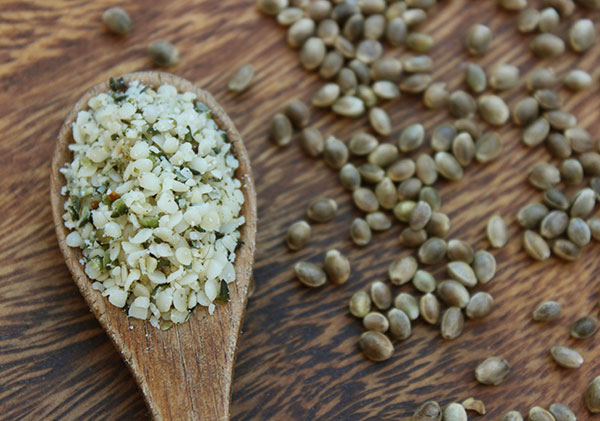
Understanding Shelled Hemp Seeds
Shelled hemp seeds, also known as hemp hearts, are hemp seeds with the outer shell removed. What remains is the soft, white inner part that is easy to eat and digest.
Benefits of Shelled Hemp Seeds
Shelled hemp seeds are popular for everyday use because of their convenience and mild taste.
- Easy to digest: Without the outer shell, your body can absorb nutrients more easily
- Soft texture: Perfect for smoothies, yogurt, or sprinkling over food
- Mild, nutty flavor: Blends well with both sweet and savory dishes
- Quick to use: No preparation required
Because of these advantages, shelled hemp seeds are ideal for beginners who want to add nutrition to their meals without changing taste or texture too much.
Best Ways to Use Shelled Hemp Seeds
You can easily include shelled hemp seeds in your daily diet:
- Add to morning smoothies
- Sprinkle over salads or oats
- Mix into protein shakes
- Use in baking recipes
Their versatility makes them one of the easiest superfoods to incorporate into a busy lifestyle.
Understanding Whole Hemp Seeds
Whole hemp seeds, on the other hand, are seeds with their outer shell intact. This shell is harder and more fibrous compared to the inner part.
Benefits of Whole Hemp Seeds
Whole hemp seeds offer some unique advantages, especially for those looking for added fiber.
- High in fiber: The outer shell provides extra dietary fiber
- Longer shelf life: The shell protects the seed, helping it stay fresh longer
- More natural form: Less processed compared to shelled seeds
However, they are less commonly used in direct consumption due to their tougher texture.
Challenges of Whole Hemp Seeds
While whole hemp seeds are nutritious, they come with a few drawbacks:
- Hard texture: Can be difficult to chew
- Lower digestibility: The body may not absorb nutrients as efficiently
- Limited use: Not as versatile in recipes
Because of this, whole hemp seeds are often used for oil extraction or sprouting rather than direct eating.
Shelled vs Whole Hemp Seeds: Key Differences
Understanding the core differences can make your decision much easier.
Texture and Taste
Shelled hemp seeds are soft and creamy, making them pleasant to eat. Whole hemp seeds are crunchy and can feel tough, especially if eaten raw.
Nutritional Value
Both types are highly nutritious, but their composition differs slightly:
- Shelled seeds: Higher in protein and healthy fats per serving
- Whole seeds: Higher in fiber due to the outer shell
Your choice depends on whether you prioritize protein or fiber in your diet.
Digestibility
Shelled hemp seeds are easier for your body to process, making them a better option for regular consumption. Whole seeds may pass through the digestive system without fully releasing nutrients.
Convenience
Shelled seeds are ready to eat and easy to use in recipes. Whole seeds may require soaking, grinding, or sprouting for better results.
Which One Should You Buy?
The answer depends on your specific needs and how you plan to use hemp seeds.
Choose Shelled Hemp Seeds If:
- You want a quick and easy superfood
- You prefer a soft texture and mild taste
- You plan to use them in smoothies, salads, or snacks
- You want better nutrient absorption
For most people, shelled hemp seeds are the more practical choice for everyday use.
Choose Whole Hemp Seeds If:
- You want extra fiber in your diet
- You prefer minimally processed foods
- You plan to use them for sprouting or oil extraction
- You don’t mind extra preparation
Whole hemp seeds can be useful, but they require a bit more effort to include in your routine.
How to Include Hemp Seeds in Your Daily Routine
No matter which type you choose, consistency is key to enjoying the benefits of hemp seeds.
Start with small amounts—about 1 to 2 tablespoons per day—and gradually increase as needed. You can mix them into your meals without making major changes to your diet.
For Indian households, hemp seeds can be added to:
- Roti or paratha dough
- Chutneys and dips
- Smoothies or lassi
- Homemade energy balls
Simple additions like these can make your meals more nutritious without extra effort.
Tips for Buying High-Quality Hemp Seeds
Choosing the right product is just as important as choosing the type.
Check for Freshness
Look for seeds that are fresh and have a mild, nutty smell. Avoid products with a bitter or stale odor.
Read the Label
Choose brands that offer:
- Organic or non-GMO hemp seeds
- No added preservatives or chemicals
- Clear nutritional information
Storage Matters
Store hemp seeds in an airtight container in a cool, dark place. Refrigeration can help maintain freshness, especially for shelled seeds.
Common Mistakes to Avoid
When buying or using hemp seeds, keep these points in mind:
- Buying without checking type: Many people don’t realize the difference between shelled and whole seeds
- Overconsumption: Start with moderate amounts to avoid digestive discomfort
- Poor storage: Exposure to heat and air can reduce quality
- Ignoring quality: Always choose trusted sources
Avoiding these mistakes ensures you get the best out of your hemp seeds.
Read Also : Harnessing the Power of Hemp Seeds in Skincare: A Comprehensive Guide
Final Thoughts
When it comes to shelled vs whole hemp seeds, there’s no one-size-fits-all answer. Both options are nutritious and valuable additions to a healthy diet, but they serve different purposes.
If you’re looking for convenience, better taste, and easy digestion, shelled hemp seeds are the clear winner for everyday use. On the other hand, whole hemp seeds are a great choice if you want more fiber and prefer less processed foods.
Ultimately, the best choice is the one that fits naturally into your lifestyle. By understanding the differences and using them correctly, you can make hemp seeds a simple yet powerful part of your daily nutrition.