
Introduction
Hemp seeds have become increasingly popular in modern diets thanks to their rich nutritional profile and versatility. Packed with plant-based protein, healthy fats, and essential nutrients, they are widely used in smoothies, salads, baked goods, and more. But before they reach your kitchen, hemp seeds go through a detailed journey—from cultivation to harvesting and processing.
Understanding how hemp seeds are harvested and processed not only builds trust in the product but also helps you make more informed choices when buying them. Each step plays a crucial role in maintaining quality, safety, and nutritional value.
Understanding Hemp Plants and Seed Production
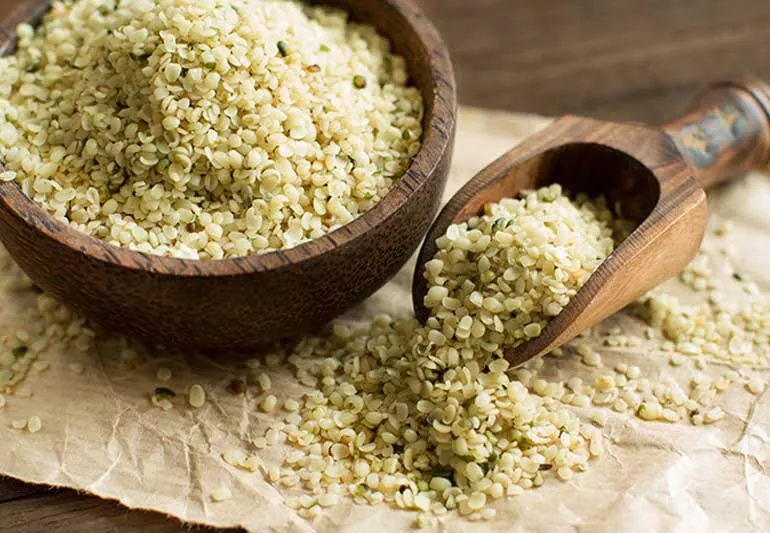
Hemp seeds come from the industrial hemp plant, a variety of cannabis cultivated specifically for low levels of tetrahydrocannabinol (THC). Unlike other cannabis varieties, hemp is grown primarily for its seeds, fiber, and oil rather than psychoactive effects.
Hemp plants are typically grown in well-drained soil with plenty of sunlight. Farmers select specific seed varieties based on factors like climate, yield potential, and nutritional quality. Once planted, hemp grows relatively quickly, with seeds usually ready for harvest within a few months.
When Are Hemp Seeds Ready to Harvest?
Timing is critical when harvesting hemp seeds. Farmers must wait until the seeds reach full maturity, which is indicated by changes in color and texture.
Mature hemp seeds are usually hard and brown or gray with a slightly glossy surface. If harvested too early, the seeds may be underdeveloped and lack nutritional value. If harvested too late, seeds may fall from the plant, leading to loss of yield.
Typically, hemp grown for seeds is harvested when about 70–80% of the seeds have matured. This ensures a balance between quality and quantity.
The Harvesting Process
Harvesting hemp seeds is usually done using specialized agricultural equipment, similar to what is used for grains like wheat or barley.
Mechanical Harvesting
Large-scale farms use combine harvesters to cut the upper portion of the hemp plant where seeds are concentrated. The machine separates the seeds from the plant material while leaving behind most of the stalk.
Manual Harvesting
In smaller or traditional farming setups, hemp may be harvested by hand. This method allows for more careful handling but is more time-consuming and labor-intensive.
Regardless of the method, the goal is to collect the seeds efficiently while minimizing damage and contamination.
Cleaning and Drying the Seeds
Once harvested, hemp seeds are not immediately ready for consumption. They must first go through cleaning and drying processes.
Cleaning
The seeds are passed through screening equipment to remove plant debris, dust, and other impurities. This step ensures that only clean, high-quality seeds move forward in the process.
Drying
Freshly harvested seeds contain moisture, which can lead to spoilage if not properly reduced. The seeds are dried using controlled airflow and temperature to bring moisture levels down to a safe range.
Proper drying is essential for preserving the seeds and preventing mold growth during storage.
Dehulling: Removing the Outer Shell
One of the most important processing steps is dehulling, where the outer shell of the hemp seed is removed.
The outer shell is edible but relatively hard and fibrous. Removing it reveals the soft inner kernel, often referred to as hemp hearts. These are the most commonly consumed form of hemp seeds due to their mild flavor and smooth texture.
Dehulling is done using specialized machines that crack the shell without damaging the inner seed. The shells are then separated from the kernels through air or gravity-based systems.
Further Processing and Product Variations
After dehulling, hemp seeds may undergo additional processing depending on the final product.
Packaging as Whole or Hulled Seeds
Hemp seeds can be sold either with the shell (whole seeds) or without it (hulled seeds). Hulled seeds are more popular for direct consumption, while whole seeds may be used in certain food products or for planting.
Cold-Pressed Hemp Seed Oil
Some seeds are used to produce oil through a cold-pressing process. This method extracts oil without high heat, helping preserve nutrients like essential fatty acids.
Hemp Protein Powder
After oil extraction, the remaining seed material can be processed into protein powder. This is commonly used as a plant-based protein supplement.
Each variation offers different benefits, making hemp seeds a highly versatile ingredient.
Quality Control and Testing
Before hemp seeds reach the market, they undergo quality control checks to ensure safety and consistency.
Testing may include checking for contaminants such as pesticides, heavy metals, or microbial presence. Nutritional analysis is also conducted to verify protein, fat, and other nutrient levels.
Reputable producers follow strict standards to ensure that their products meet food safety regulations. This step is essential for maintaining consumer trust and product reliability.
Storage and Shelf Life
Proper storage is crucial for maintaining the freshness and nutritional value of hemp seeds.
Hemp seeds are sensitive to heat, light, and air, which can cause their healthy fats to degrade over time. They are typically stored in cool, dark environments and packaged in airtight containers.
Once opened, it’s often recommended to store hemp seeds in the refrigerator to extend their shelf life and preserve their flavor.
Sustainability and Environmental Impact
Hemp is known for being an environmentally friendly crop. It requires relatively low amounts of water and can grow without heavy use of pesticides.
Additionally, hemp plants improve soil health by replenishing nutrients and reducing erosion. This makes hemp seed production a more sustainable option compared to many other crops.
The harvesting and processing methods also continue to evolve, with a growing focus on reducing waste and improving efficiency.
Also Read: Shelled vs Whole Hemp Seeds: Which Should You Buy?
Final Thoughts
The journey of hemp seeds from field to table involves careful planning, precise timing, and multiple processing steps. From harvesting at the right moment to cleaning, drying, and dehulling, each stage plays a vital role in delivering a high-quality product.
Understanding this process not only highlights the effort behind every batch of hemp seeds but also helps you appreciate their value as a nutritious and sustainable food source.
As demand continues to grow, advancements in harvesting and processing techniques are likely to further improve quality and accessibility, making hemp seeds an even more important part of modern nutrition.